


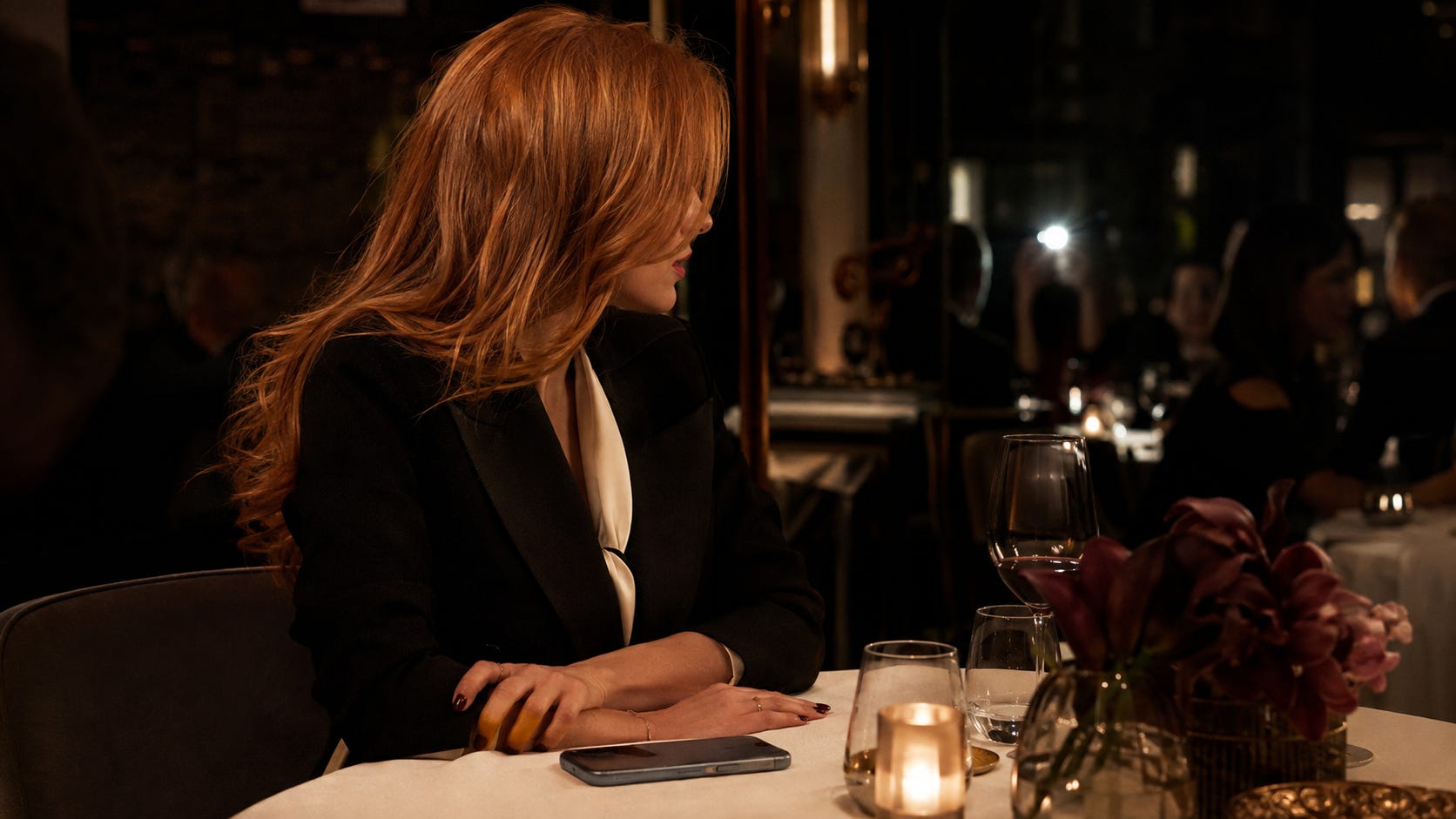
A woman with four million followers told me she was thinking about quitting, and then she used a phrase I haven’t been able to put down since. We were at one of those dinners where everyone is somebody’s audience, and she had spent the first hour being lightly photographed by strangers with the practised patience of a landmark. When I asked how she was, actually asked, the second time, the way you have to, she looked at her phone face-down on the tablecloth and said: “I’m just tired of being open.”
Not tired of posting. Not burnt out, that laundered word. Tired of being open. Like a shop. Like a case file. Like a wound. And I understood, sitting there, that she had told me more about the condition of modern fame in five words than the entire discourse manages in a year, because she had located it correctly. Fame used to be a state. You were famous, the way you were tall. It has become, within a single generation, a job. Hours, output quotas, customer service, performance reviews conducted in public by everyone you have ever met and millions you haven’t. And once you see it as a job, every strange behaviour of the famous class suddenly reads as what it actually is: labour politics.

Nobody has ever itemised what the job actually requires, so let’s. It wants content daily, or the machine forgets you, the algorithm is a boss that docks pay for absence and never explains the docking. It wants availability: comments, DMs, the parasocial correspondence that arrives with the entitlement of friendship and the volume of a call centre. It wants consistency, which sounds reasonable until you realise the person you performed at twenty-four is a contract your thirty-one-year-old self is still servicing — audiences experience your growth as breach. It wants emotional disclosure, because intimacy is the sector’s fastest-appreciating commodity, and the raw post, the crying video, the trauma retold on a podcast are the job now asking you to mine your own interior and sell the ore. And it carries a kind of risk no other job does: one bad shift, a misjudged joke, a resurfaced decade, and the same machine that assembled your audience turns and aims it at you. There is no other job with these terms. And in a 2023 nationally representative survey of 1,000 American teenagers aged 13 to 18, forty per cent said they were considering a career as a social media influencer.
They want it because they can see the compensation and not the invoice. The compensation is real, I won’t pretend otherwise; the money at the top is absurd and the doors do open. But the invoice is the part the industry hides, and it is written in a currency nobody warns you about: the permanent loss of the unobserved self. The unwatched hour. The opinion you can change without a correction notice. The bad day that is simply a bad day and not a narrative development. Privacy, it turns out, was never the absence of attention. It was the ownership of your own record. The famous have sold the record. The clause is buried, the buyout is dazzling, and the asset does not come back.
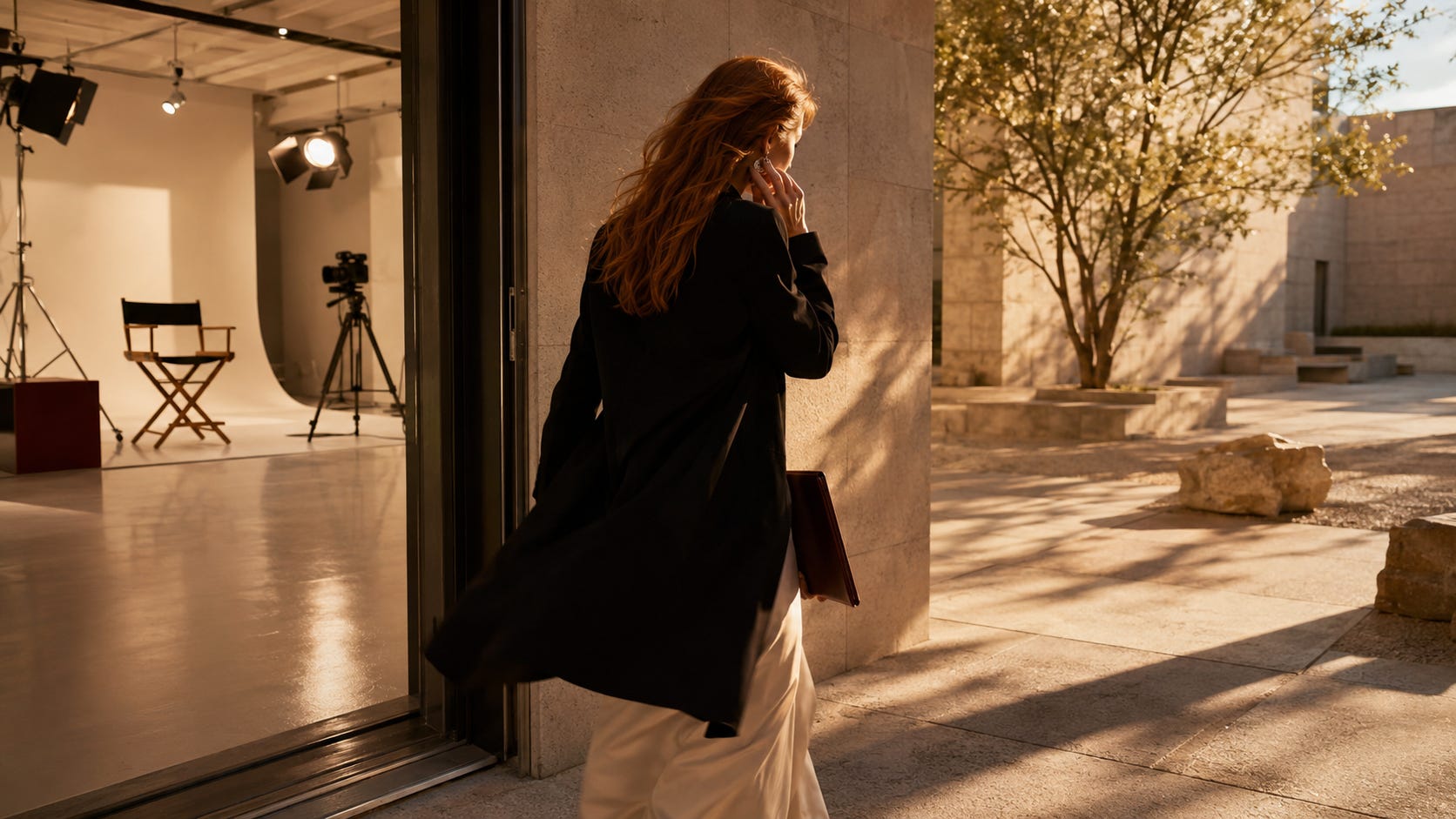
Which is why the most interesting people in the visibility economy right now are not the ones ascending. They are the ones negotiating. Watch closely, the pattern is everywhere once you have the lens. The A-lister who has not given a real interview in four years and communicates exclusively through work and the occasional cryptic award show sentence. The musician who deleted everything, tours anyway, and sells out faster than the ones posting daily. The actress who does one magazine profile per project, the profile itself now a luxury format, long and gated, the media equivalent of the quiet room in Geneva. The writers going to newsletters, the comedians going to invite only rooms, the influencers, this is the tell, hiring staff to be them online while they live somewhere in the unphotographed interior of their own income. None of this is retreat. Retreat is what it is styled as. It is a renegotiation of hours. They are going part-time.
And part-time fame, it turns out, is not a compromise, it is the discovery that the job’s core economics were always about scarcity, and that the industry had it backwards. The machine says: post daily, be everywhere, feed it or die. But attention, like every currency, inflates. The face you see every day is wallpaper by March. The person you see twice a year arrives each time as an event. Scarcity was how fame worked for a century, the star system was a rationing system; the studio’s whole art was controlled release, and the platforms dismantled it, not because abundance served the famous, but because abundance served the platform. Your daily output is their inventory. The influencer posting three times a day is not building an empire. She is meeting a quota for a company that pays her in exposure to her own audience. When she goes quiet, the platform loses inventory and she loses nothing but the treadmill, if her work can survive the silence. That “if” is the entire class divide of the new fame: whether what you sell is your presence, or something your presence was merely advertising.
That divide is worth sitting with, because it is where the next decade of this economy gets decided. Presence-sellers, the ones whose product is the daily feed itself cannot go part-time; the shop is the self, and the self must stay open. Work-sellers, the ones with a film, a book, an album, a company standing behind the face can withdraw the face and let the work keep the lights on. Everyone in the first category is scrambling, right now, to build something that belongs in the second. Some of those skincare lines, tequila brands, production companies and newsletters are not vanity projects at all. They are ransoms being assembled, in public, for the release of a private life.

I think often about what the woman at the dinner did next, because it was so small and so total. She turned the phone over, checked it, not long, maybe four seconds and turned it back down. And in those four seconds her face did the thing I have now watched dozens of visible people’s faces do: it changed shifts. The dinner-face lifted off; the shop-face slid on; the shop-face registered whatever the shop required; and the dinner-face returned, one gram heavier. Nobody else noticed. That is the job. Not the posting. The changing dozens of times a day, at speeds no audience will ever be asked to appreciate, between a self that is inventory and a self that is not. Ask anyone who has done shift work what actually breaks you. It is never the shift. It is the turnover.
For once, though, this lands on the audience more than the stars, because the audience is now everyone. You have a shop too. Smaller, unverified, but open, the feed you maintain, the availability you perform, the record of yourself you no longer fully own. The famous just noticed first, because the invoice arrived faster at their scale. Learn what they’re learning in public and apply it at yours: visibility is labour, labour deserves terms, and the terms are yours to set. Close the shop some evenings. Let the record have gaps. Be, for whole unphotographed hours, not open.
The four million followers are still there, by the way. She posts monthly now, an essay, occasionally a single image, no stories, no face. Engagement, she told me later, is the highest it has ever been. Of course it is. She stopped being wallpaper. She became an event. The machine calls this dying. The machine would.
OFFF DUTY watches what happens after the performance is over. Subscribe free for every essay. Paid members get the margin notes, the observations, references and uncomfortable details that usually remain outside the frame.