


Most people spend years buying the wrong kind of jewellery before they understand what the wrong kind actually is.
This is not a failure of taste. It is a failure of experience. The wrong piece is seductive in the shop. It photographs well. It fits the occasion. It reads correctly in the room appropriate, considered, well-chosen. Then, months later, it stops making sense outside the original context and begins its quiet second life in a drawer.
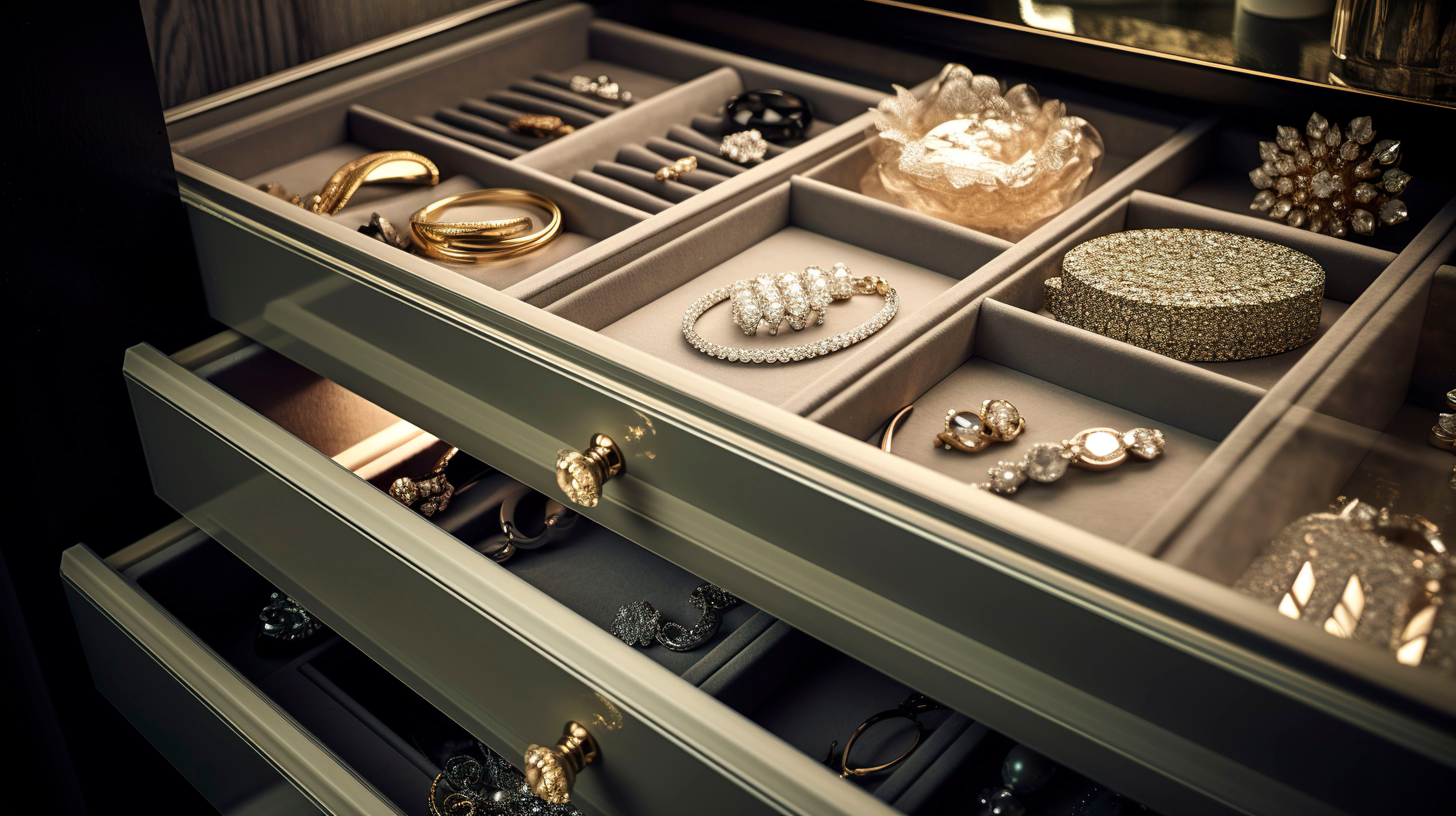
You know the one. Every woman has a drawer full of occasions she no longer attends.
What nobody tells you, at the point of purchase, is that you are not buying an object. You are buying a relationship. And the relationship has a specific quality you can test for before you commit to it if you know what you are testing.
This essay is the guide I wish I had been given before I spent years accumulating evidence.
The Two Categories
There is no middle ground in jewellery. There is the piece bought for an occasion, and there is the piece that becomes inseparable from the person wearing it.
The distinction is not price. It is not rarity. It is not provenance, precious stone content, or brand name. Plenty of very expensive pieces end up in the drawer. Plenty of inexpensive pieces never leave the body.
The distinction is specificity of choice.
The piece bought for an occasion is chosen to solve a problem. You need something for the dinner, the wedding, the photograph. The piece is a solution. Solutions are useful, and then they are obsolete.
The piece that becomes yours was not chosen to solve a problem. It was chosen because something specific happened when you saw it not excitement, not “this is perfect for the event,” but something quieter and more certain than that. A recognition. The sense that this object was going to make sense in a year, and in five, and in twenty.
That feeling is information. Most people talk themselves out of it.
What The Wrong Piece Feels Like
The wrong piece has a very specific emotional signature. It is worth learning to recognise it, because it masquerades convincingly as the right piece at the moment of decision.
The wrong piece comes with justification. It goes with everything. It is a classic. It photographs beautifully. It is exactly what you need for the trip, the occasion, the season. Notice the framing: the piece is useful. It serves a purpose. You are buying it because it does something.
The wrong piece makes sense to everyone else in the room. That is the clearest signal. If the piece is immediately legible as the right choice appropriate, recognisable, correct it is probably doing a social job rather than a personal one. Social jobs are temporary. The need they serve evaporates. The object remains, briefly purposeful and then increasingly purposeless.
The wrong piece also has a very particular feeling at the point of purchase: certainty without attachment. You know it is the right answer. You feel none of the specific unreasonable pull that the right answer produces.
Learn the difference. It takes repetition, which is to say it takes buying several wrong pieces and understanding why they ended up in the drawer. This is not a failure. It is the education.
The Four Questions
Before any significant purchase, ask these four questions. Not as a checklist as a genuine interrogation.
One: Can you wear it for three days?
Not three days and then put it in the drawer. Three days, and then a week, and then it simply does not occur to you to take it off. The piece that becomes yours has a gravitational quality. It resists removal. Not because you are forcing the habit, but because it has already begun to feel like part of the context you present to the world.
If you put it on and then find yourself taking it off at the end of the first day not because it is uncomfortable, but because you feel finished with it that is information. The occasion is over. The piece belongs to the occasion, not to you.
Two: Can it live without context?
Does the piece make sense at the dinner and at the supermarket? On the flight and in the private mirror at 6am before the day begins? The wrong piece requires the context of occasion to justify itself. The right piece does not require permission from the situation. It simply belongs on you, independent of what you are doing or who is watching.
Three: Does the material travel better than the trend?
Design ages. Trend ages faster. But gold, silver, and stone do not age in the same way. They accumulate meaning.
The piece to look for is the one in which the material does more work than the design. Form can become dated. The material that underpins it does not. This is why heirloom jewellery survives and fashion jewellery does not.
Four: Would you still choose it if nobody noticed?
This is the hardest question, and the most important one.
The answer reveals whether you are buying the piece or buying the response to the piece. Whether you want the object or the social function the object performs. These are not the same transaction.
The piece that becomes yours is chosen on its own terms. You would choose it in a version of the world where nobody would ever see it. Not because you are indifferent to how it appears to others of course you are not but because its value to you does not depend on the audience.
If you cannot honestly say yes to this question, you are not buying the piece for yourself. You are buying it for a performance. Performances end.
When It Becomes Yours
There is a moment distinct, often quiet, sometimes gradual when you understand that a piece of jewellery has stopped being something you wear and started being something you are.
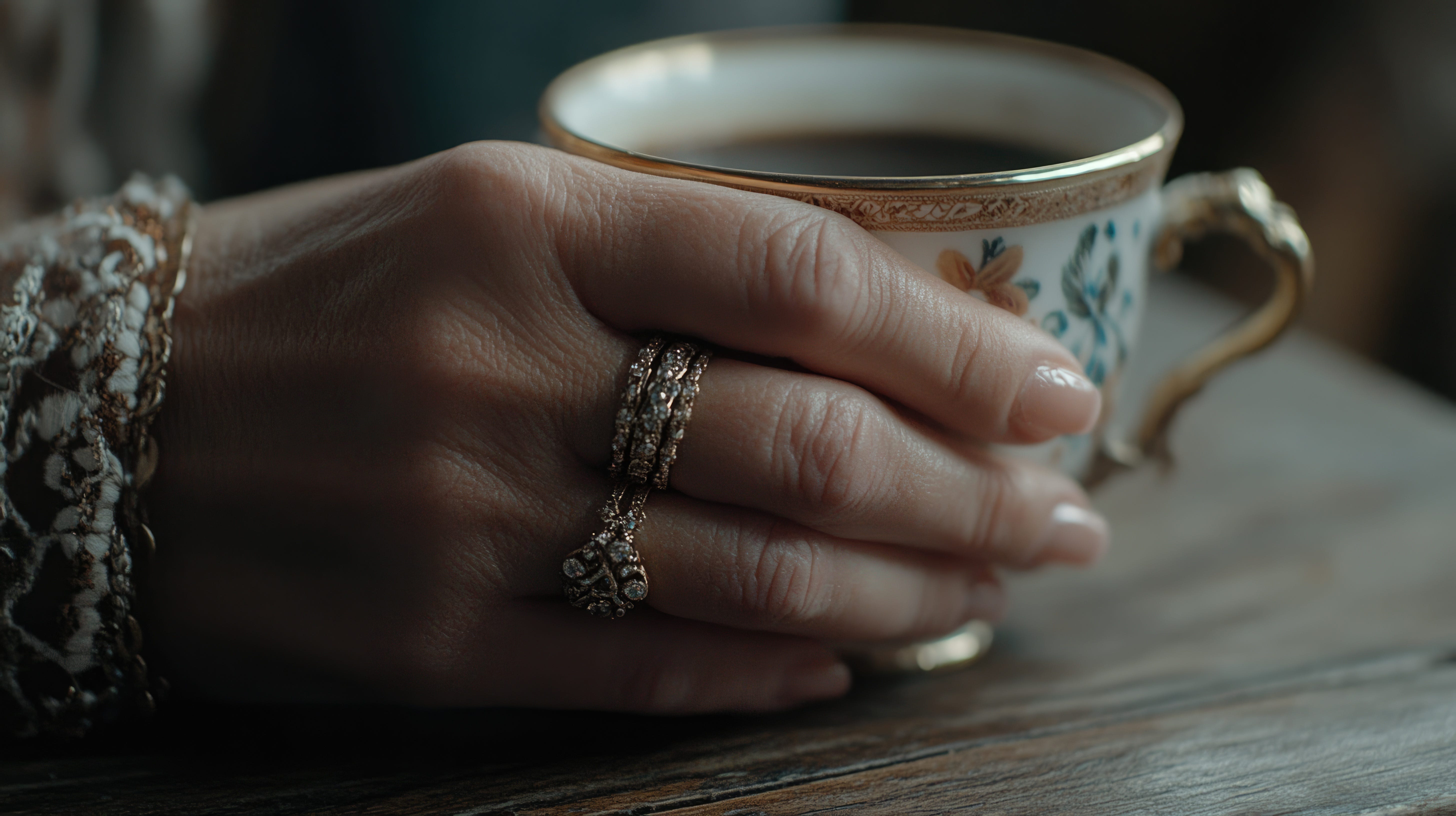
It is not the day you buy it. It is usually some months later. The piece has been worn through enough different contexts that it has accumulated a small history with you. It has been on your wrist during difficult meetings and ordinary afternoons and one specific evening that meant something. It has been noticed by someone who knows what they are looking at and who says nothing except: how long have you had that?
The piece has become biography rather than styling.
This is not a metaphor. The oldest jewellery traditions in every culture are built around this understanding: that an object worn against the body over time becomes inseparable from the person. It carries meaning that cannot be transferred to a different wearer without significant loss. The piece you have worn for ten years is not the same object as the piece in the box. It is a record. A companion. A piece of evidence about who you were while you were wearing it and what you were doing.
The wearing is the completion of the object. The years of wearing are the making of it.
This is what you are looking for when you buy. Not the object as it appears in the shop, well-lit and presented. The object as it will appear in twenty years, worn in, carrying its history, inseparable from the person whose choices it has documented.
Choose accordingly.
Forward this to the person in your life who keeps buying jewellery for occasions instead of for herself. She knows who she is.