


Something About This Year Feels Different
There are years when culture feels loud.
Every week brings a new trend, a new product, a new idea competing for attention. The pace accelerates until everything begins to blur together, fashion shows, launches, celebrity moments, beauty routines, restaurant openings. Everything is presented as urgent.
But occasionally, a different kind of year arrives.
Not quieter on the surface. The world still moves quickly. Fashion weeks still take place, products still launch, and social media still scrolls endlessly. Yet beneath all of that movement, something subtle changes.
The mood shifts.
People begin paying attention differently.
And this year, that shift feels unmistakable.
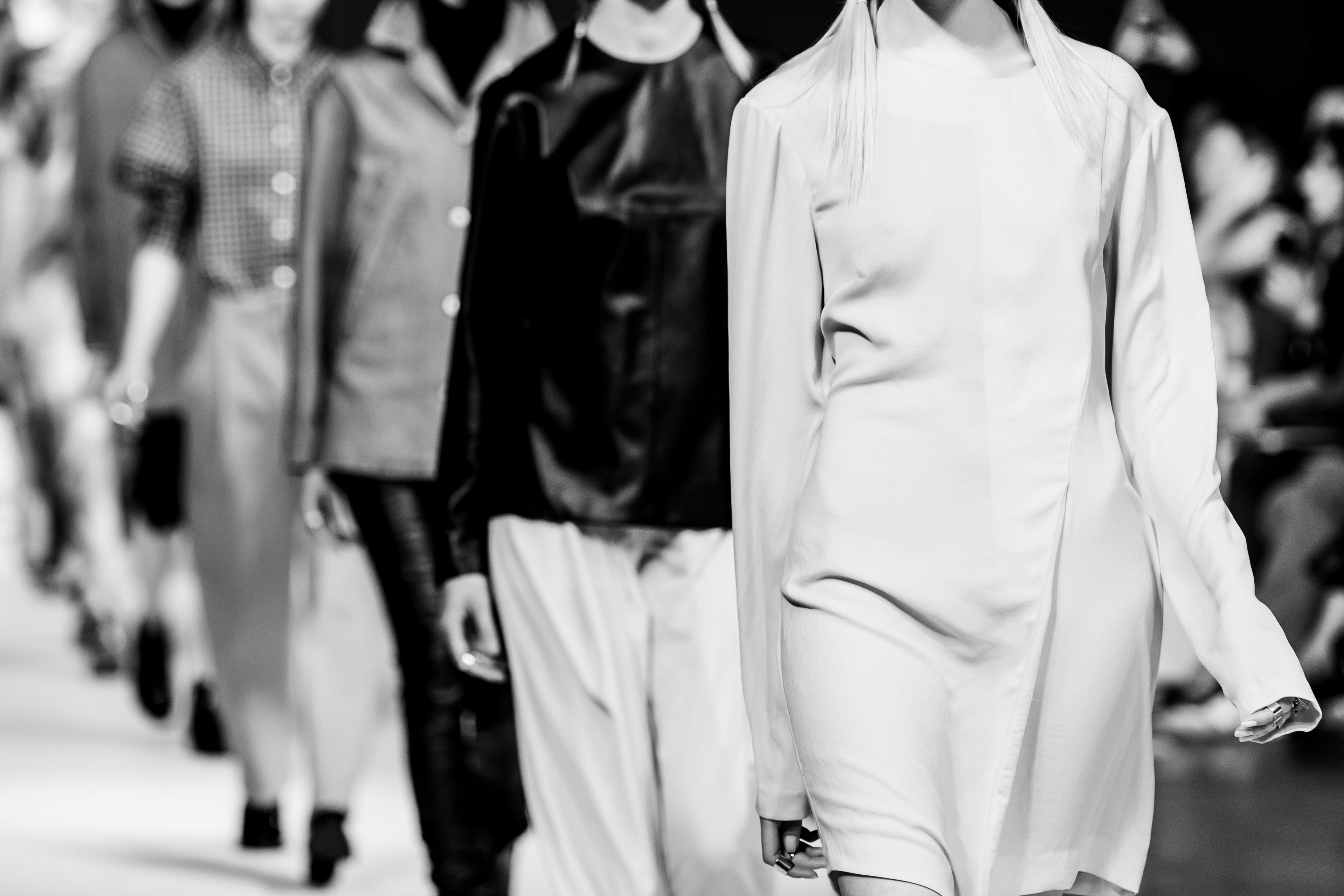
For the past decade, culture has been shaped by acceleration. The faster something appeared, the more relevant it seemed. Fashion followed the rhythm of constant novelty. Beauty promised visible transformation. Food became spectacle as much as nourishment.
The result was energy. Creativity moved quickly. Ideas travelled globally in minutes.
But acceleration also created exhaustion.
When everything competes for attention at the same volume, attention itself begins to weaken. People stop trusting what is presented as important. They start looking instead for signals that feel more grounded, more human, more real.
You can see it in small details.
Collections that feel calmer.
Beauty routines that focus on care rather than correction.
Restaurants that value atmosphere over performance.
None of these changes appear dramatic on their own. But together they suggest something deeper taking place.
A quiet recalibration of taste.
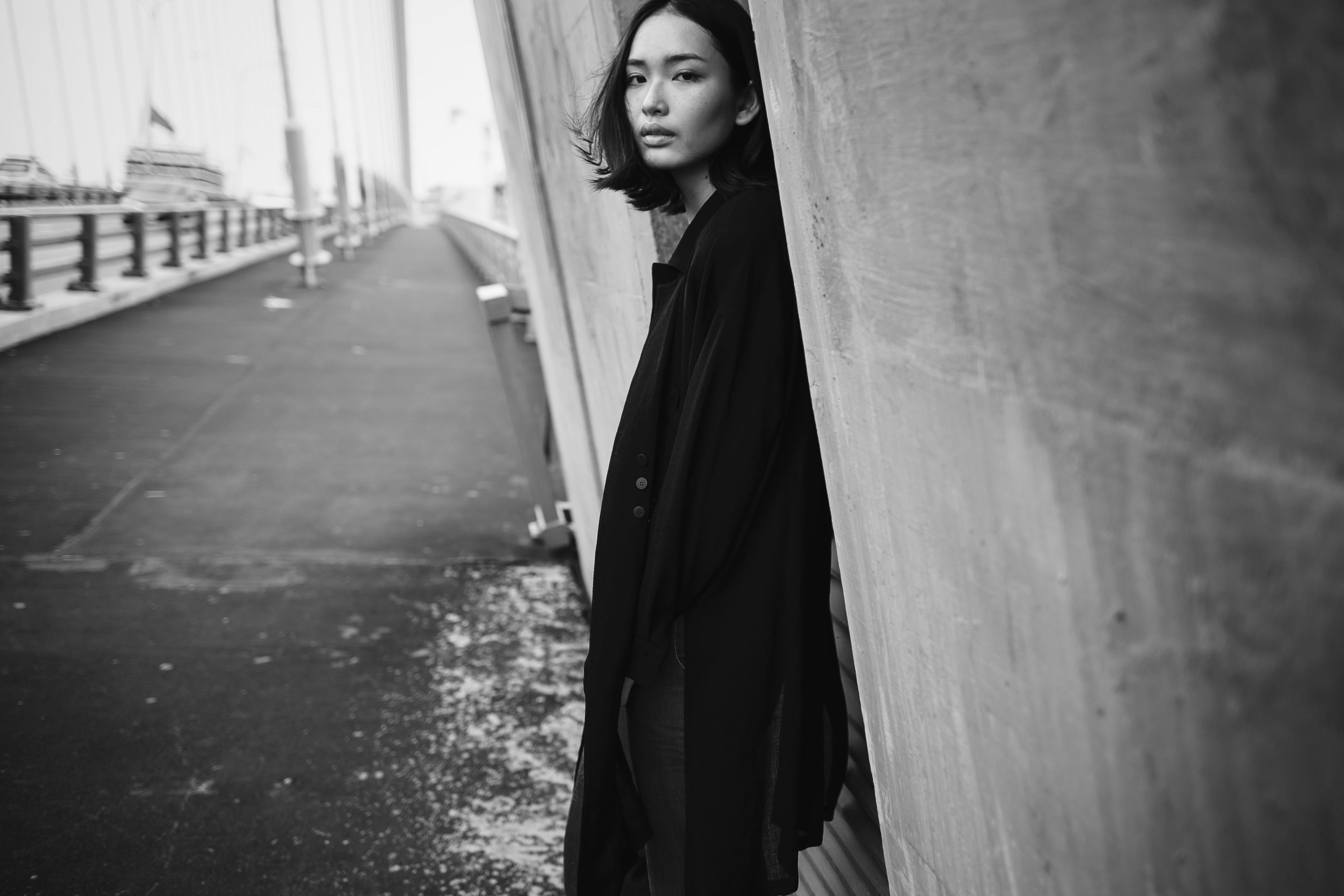
Fashion offers one of the clearest reflections of this shift.
For years the industry celebrated bold statements. The louder the silhouette, the stronger the colour, the more memorable the moment. Drama was part of the language of the runway.
This season felt different.
Protection became a subtle theme across collections. Coats wrapped more closely around the body. Fabrics looked softer, more enveloping. Colours moved toward neutrals, earth tones, and shades that feel grounded rather than theatrical.
These choices may appear purely aesthetic, but fashion rarely operates independently from emotional climate. Designers, whether consciously or not, respond to the mood surrounding them.
And the mood right now seems to favour something steady.
Something composed.
Not simplicity for its own sake, but a kind of thoughtful restraint.
The kind that suggests a designer is thinking not about spectacle, but about how clothing actually lives with the person wearing it.
Beauty is undergoing a similar transition.
For years the goal of beauty culture seemed to revolve around visible transformation. Perfect skin, sculpted faces, dramatic results that could be captured in a single image.
Recently the language has begun to soften.
More conversations focus on barrier repair, skin health, long-term care. Products are framed less as miracles and more as companions in routine. The idea of perfection quietly gives way to something else — maintenance, balance, longevity.
This does not mean beauty has lost ambition. Rather, the ambition has shifted direction.
Instead of chasing instant change, people are becoming more interested in subtle improvement that compounds over time.
The difference may sound small, but culturally it matters.
Because it reflects a change in patience.
Food culture also reveals this movement.
Restaurants that once focused on spectacle now emphasise atmosphere. Menus grow slightly simpler. Ingredients matter more than presentation. The experience becomes less about photographing a moment and more about inhabiting it.
You notice the same pattern in other areas of culture.
Music that feels reflective rather than explosive. Interiors that favour warmth over sharp minimalism. Conversations about lifestyle that centre on balance instead of optimisation.
Taken individually, none of these signals appear revolutionary.
But together they suggest something meaningful.
Attention itself is changing.
People are beginning to value experiences that hold their focus rather than compete aggressively for it.
And in a world saturated with information, that shift may be one of the most powerful cultural changes we can observe.
Because attention is not only what we give to culture.
It is what culture eventually begins to respect.
Something about this year feels different not because the world has slowed down.
It has not.
But within the noise, people are quietly rediscovering the value of paying attention to what lasts.
And when that happens, taste begins to change in ways that cannot be forced.
It becomes calmer.
More deliberate.
More recognisable.
Not louder.
Simply clearer.