


You begin with curiosity. A headline catches your interest, or a paragraph seems thoughtful enough to deserve a few minutes of your time. You start reading. For a brief moment, the mind settles.
And then something interrupts it.
A notification lights up on the screen. A message appears. Another article slides into view, promising something more urgent, more dramatic, more immediate. Within seconds the original thought begins to dissolve, replaced by the next signal asking for your attention.
None of these interruptions feel significant on their own. They are small, almost invisible. Yet over time they change something fundamental about how we experience the world.
Reading becomes scanning.
Looking becomes glancing.
Understanding becomes reacting.
For most of modern history, attention was not something people had to defend.
You opened a book, a magazine, or a newspaper and the page held you there. Editors understood that attention had a rhythm. Images were placed carefully. Essays unfolded slowly. The reader entered a space where ideas had time to develop.
Today that space is harder to protect.
The digital environment surrounding us is designed to compete for attention rather than preserve it. Every application wants to be opened. Every platform encourages reaction. Every moment offers another piece of information waiting to replace the one before it.
It would be easy to conclude that attention is simply disappearing.
But something more interesting is happening.
Quietly, almost without announcement, people are beginning to reclaim it.
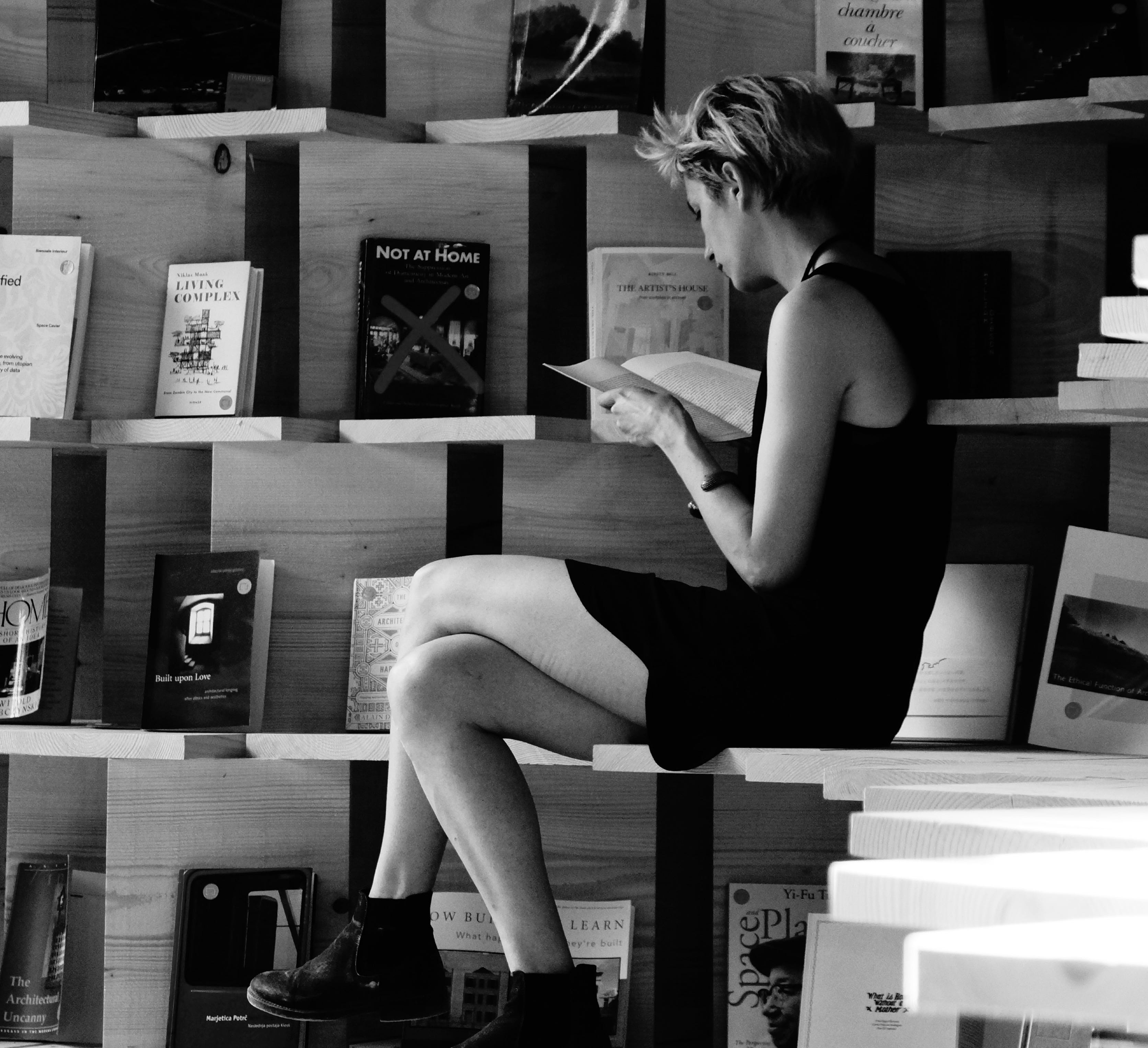
You can notice this shift if you pay attention to how people move through culture today.
Long essays are finding readers again. Independent publications are growing steadily. Print magazines—once predicted to disappear entirely, continue to exist because there are still readers who want to sit with an image longer than a swipe allows.
The appetite for constant novelty has not vanished. Social media continues to move quickly, and trends still appear overnight. But alongside that speed another instinct is emerging: the instinct to slow down.
Readers are beginning to choose their sources more carefully. They follow fewer voices, but they follow them more closely. Instead of chasing every new signal, they return to ideas that reward deeper attention.
This is not a rejection of the modern media environment. It is a form of adaptation.
When information becomes abundant, selection becomes essential.
And selection, over time, becomes a discipline.
If you observe carefully, you can see this discipline forming across different areas of culture.
Fashion offers a good example.
For many years the conversation around fashion moved almost entirely through spectacle. A dramatic runway moment could dominate the internet within minutes. Bold silhouettes, striking colours, and theatrical presentations were the images that travelled the fastest.
But spectacle rarely survives slow observation.
When someone studies a collection carefully—watching the entire show rather than the highlights—different details begin to emerge. The cut of a coat. The repetition of a silhouette across several looks. The subtle shift in colour that appears again and again.
These are rarely the images that circulate most widely online. Yet they are often the details that define how a season is remembered.
A similar change can be seen in beauty.
For years beauty culture revolved around visible transformation: dramatic routines, complex techniques, endless experimentation with new products. The emphasis was on immediate results.
Recently the language around beauty has begun to soften.
More conversations focus on skin health, barrier repair, and long-term care. Instead of chasing dramatic change, people are becoming interested in maintenance, consistency, and patience.
The rhythm is different.
And the difference reflects something deeper than a trend.
It reflects a change in how people are paying attention.
Food culture reveals the same instinct.
Restaurants that remain in memory are rarely the ones built entirely around spectacle. They are the places where the atmosphere allows you to remain present: a room that feels calm, a menu that feels thoughtful, a pace that allows conversation to unfold without interruption.
When the experience slows down slightly, people notice things they might otherwise miss.
The texture of the bread.
The balance of flavours.
The quiet choreography of a dining room moving in rhythm.
None of these details demand attention aggressively.
They simply reward it.
Across fashion, beauty, food, and design, the same pattern appears again and again. The most meaningful experiences are often the ones that allow attention to settle rather than compete for it.
And once you begin noticing that pattern, it changes the way you see everything else.
When attention becomes more deliberate, culture itself begins to look different.
Small signals start connecting with one another. A colour palette that appears across several collections. A certain softness in materials that travels from fashion into interiors and photography. A shared mood that seems to move quietly across creative work in different cities.
These signals rarely announce themselves dramatically.
They reveal themselves gradually.
Recognising them requires patience.
This is where taste begins to develop.
Taste is often described as something instinctive, but in reality it grows through observation. The more carefully someone watches the cultural landscape, the more clearly its structure becomes visible.
At first the signals seem scattered. Over time they begin to align.
A reader who develops this habit of observation starts to see beyond the surface of trends. Instead of reacting to every new signal, they begin recognising the deeper patterns shaping the moment.
And once that clarity appears, something else happens as well.
Culture begins to feel calmer.
Not because the world itself has slowed down—it certainly has not—but because the observer has learned how to move through it differently.
In a world where everything asks to be noticed, the rarest gesture is simply to look carefully.
To read an article from beginning to end.
To watch a fashion show without skipping through it.
To sit at a table long enough to experience the room around you.
These are small decisions, almost invisible in the scale of modern life. Yet together they restore something that constant acceleration quietly erodes.
They restore the ability to understand what we are seeing.
The discipline of attention is not about withdrawing from the world or rejecting modern technology. It is about engaging with the world more thoughtfully.
Choosing where to place your focus.
Allowing certain ideas to remain long enough to reveal their meaning.
Over time, that habit transforms the way culture appears.
The noise does not disappear.
But within it, something else becomes visible.
A structure.
A rhythm.
A pattern that was always there, waiting to be noticed.
And once you learn to see it, the world begins to make a little more sense.