


There is a specific kind of exhaustion that follows a very expensive dinner. Not the exhaustion of having spent badly, the food was technically flawless, the service beyond reproach, the room exactly what it promised to be. The exhaustion of having been a guest in a production. Of having been received rather than welcomed. Of having spent three hours performing the correct response to a sequence of courses that never quite asked you to stop performing.
This exhaustion is not a failure of the restaurant. It is the logical endpoint of what fine dining, in its formal register, is designed to produce: an elevated experience, curated to a very high standard, in which the guest is the audience and the kitchen is the stage. That is a coherent offering. It is also, increasingly, not what people want.
The shift is not from expensive to cheap, or from formal to casual. It is something more structural: a movement away from ceremony as proof of quality, and toward quality that proves itself without ceremony. The distinction sounds minor. It changes everything about how a meal is remembered.
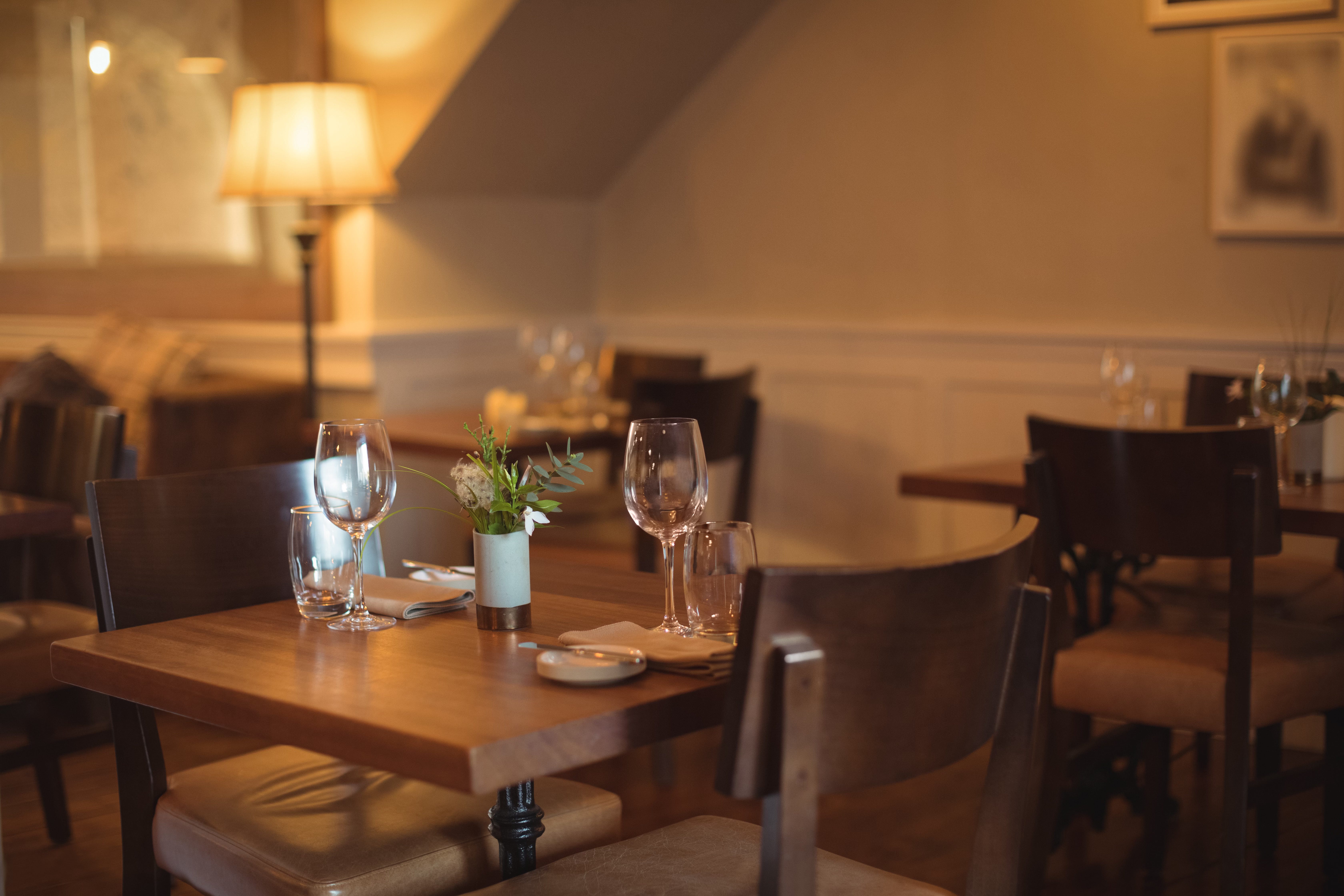
What Atomix, the two-Michelin-starred Korean restaurant in New York, understood before most of the industry did is that rigour and warmth are not opposing values. The tasting menu format, historically the territory of white tablecloths and choreographed distance can be delivered with the same technical precision in an environment that feels, genuinely, like somewhere you are allowed to relax. The result, when it works, is not a casual fine dining experience. It is a different category altogether: precision without performance.
Atomix matters here because it does not reject the tasting menu; it removes the emotional stiffness that often surrounds it.
The Michelin Guide’s recent selections suggest a broader recognition from the institutional side: culinary ambition no longer needs to appear only through the old formal apparatus. The expansion of Bib Gourmand recognition, the continued attention given to counter-led formats, and the rise of focused single-concept restaurants all point to the same conclusion. A ramen bar, a compact tasting counter, a neighbourhood restaurant with serious technique, or a dessert-centred concept like BRIX Journey in Dubai can carry ambition without borrowing the full costume of traditional fine dining.
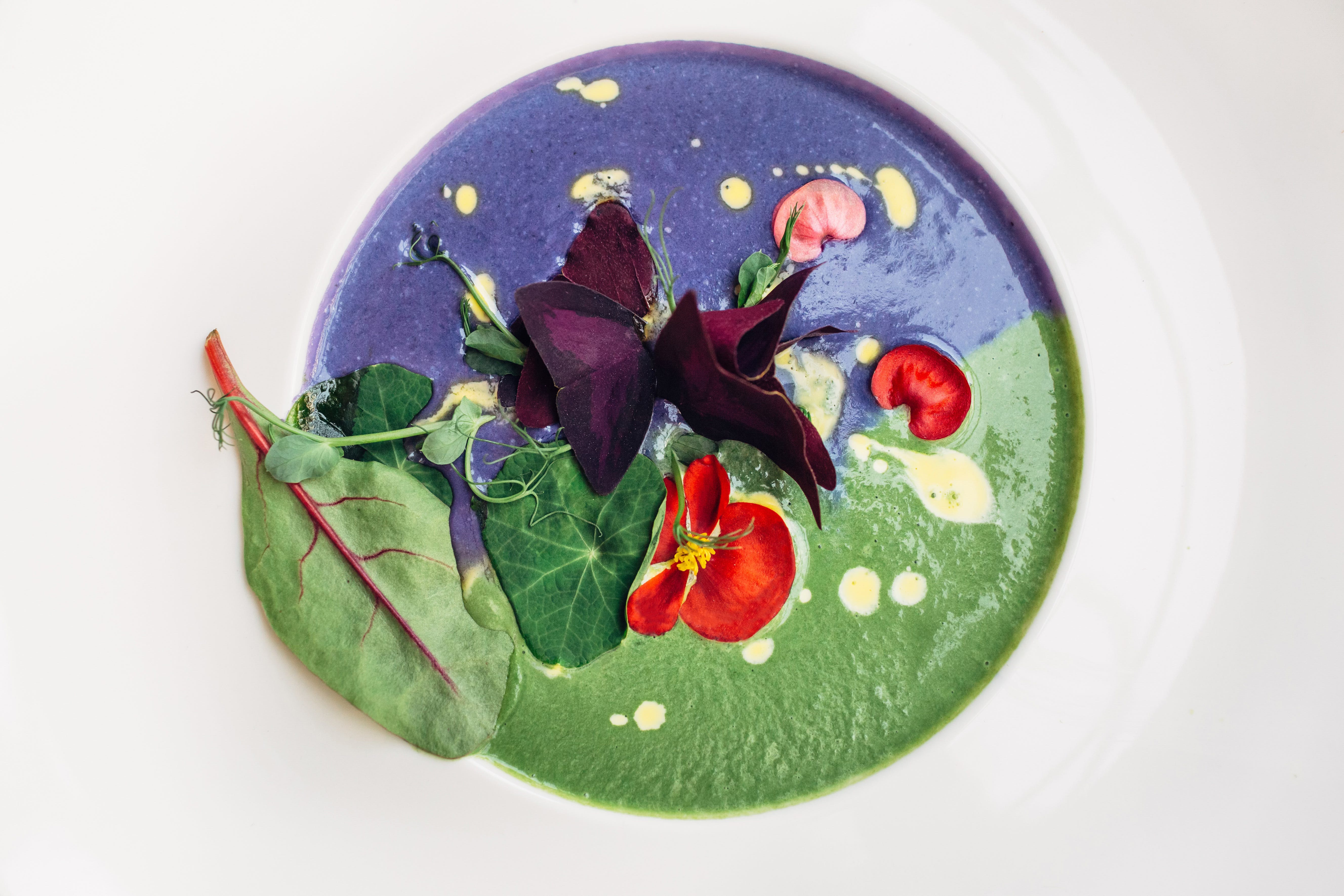
The restaurants that are genuinely difficult to book in 2026 are not necessarily the ones with the most stars or the most celebrated alumni. They are the ones that have resolved the question of what they are actually offering, and answered it in the specific rather than the universal. Nusara in Bangkok. Frenchie in Paris. Atomix in New York. Moonrise in Dubai. Even the now-closed Amass in Copenhagen still belongs in this conversation, not as a current booking problem, but as an influential proof that a restaurant could separate ambition from inherited luxury codes and build its authority through clarity of purpose instead.
These are not restaurants that erased fine dining’s ambitions. They are restaurants that separated fine dining’s ambitions from fine dining’s conventions and kept the former.
The guest’s role shifted in each of them. Not from passive to active in the theatrical sense not performance replaced by participation. Simply from audience to person. The distinction is quiet and it is everything.
Most dining criticism is not equipped to write about this shift, because the language of dining criticism was developed to evaluate the formal register. Stars for technique, covers for atmosphere, adjectives for taste. What the new category requires is a different vocabulary one that can account for the feeling of sitting down and feeling, almost immediately, like the room is on your side.
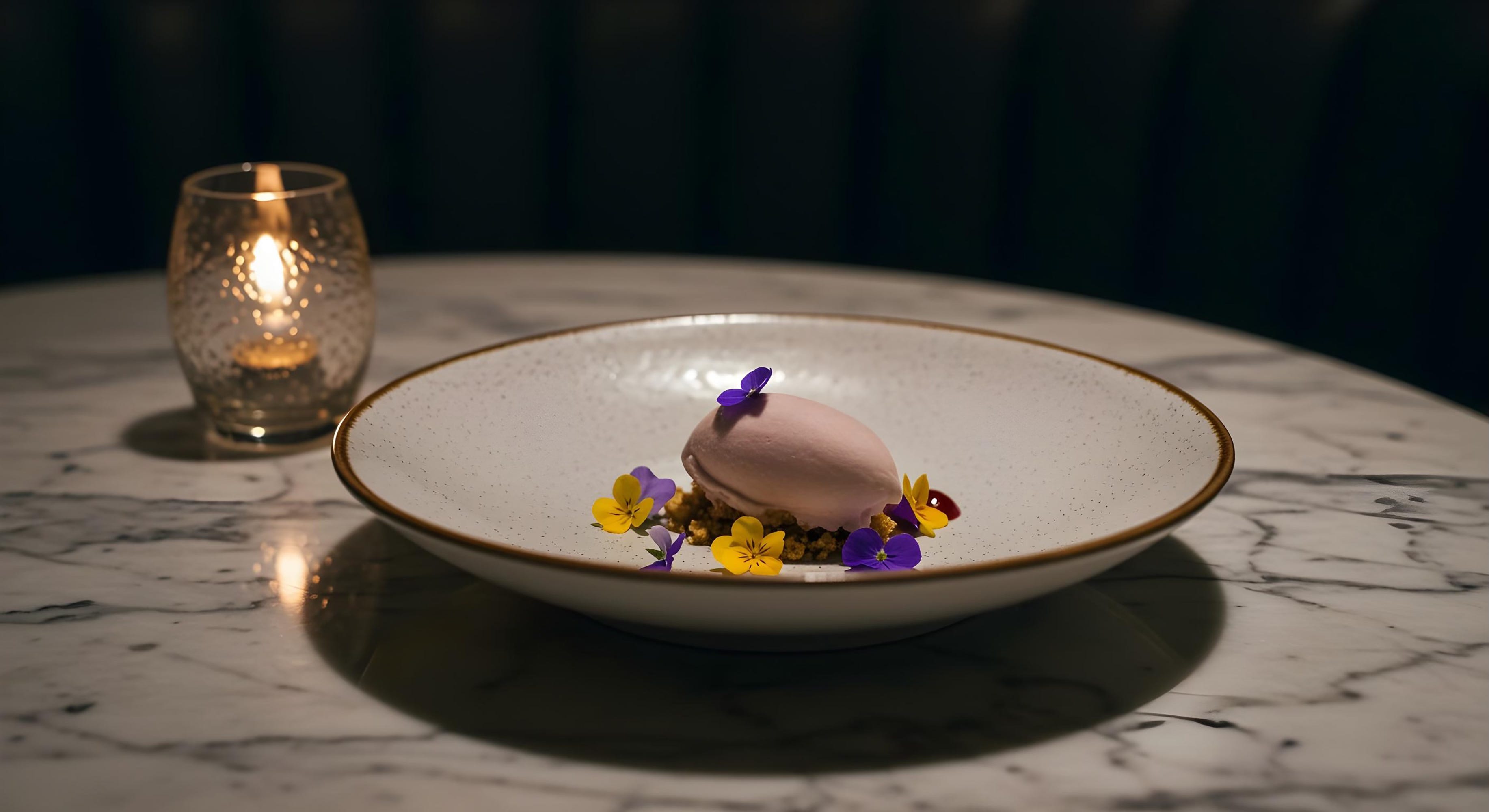
The most interesting restaurants now understand that atmosphere is not a decorative category. It is operational. It determines how quickly a guest relaxes, how honestly they taste, how much they listen to the person across the table, how long the memory of the meal remains attached to the room rather than only to the food. A dish can be technically extraordinary and still disappear from memory if the guest spends the evening managing themselves inside the experience.
This is the mistake older luxury often makes. It assumes that tension is evidence of importance. The chair slightly too formal. The service slightly too watched. The silence slightly too polished. The guest is made aware, at every stage, that they are inside something expensive. For a while, that awareness was part of the seduction. It made the occasion feel elevated. But the contemporary guest has become more suspicious of environments that require continuous self-monitoring. After years of optimisation, visibility, branding, documentation, and social performance, the most valuable thing a restaurant can offer may be the temporary removal of self-consciousness.
That does not mean casualness. Casualness is often misunderstood as ease, when in reality it can be just as designed, just as coded, and just as exclusionary as formality. The new ambition is not to make serious restaurants behave like neighbourhood restaurants. It is to create spaces where seriousness is absorbed by the operation rather than imposed on the guest. The kitchen can remain exacting. The sourcing can remain obsessive. The timing can remain disciplined. The wine programme can remain intelligent. But the guest should not have to feel the weight of that intelligence at every moment.
This is where hospitality separates itself from service. Service performs competence. Hospitality produces relief. Service notices the napkin. Hospitality notices the mood. Service explains the dish. Hospitality understands when the explanation has become too much. Service can be trained into a room. Hospitality has to be designed into the culture of the restaurant.
The difference becomes most visible in the way information is handled. The old tasting-menu model often treated explanation as proof of value: every course arrived with geography, technique, inspiration, fermentation detail, and narrative. The guest was expected to receive the dish intellectually before eating it physically. At its worst, the meal became a lecture with edible punctuation. At its best, this could be beautiful. But the restaurants that feel modern now have learned restraint. They know when to give context and when to let the dish arrive without requiring admiration in advance.
This is also why the most successful restaurants of this new register tend to be highly specific rather than broadly impressive. They are not trying to prove mastery of everything. They are trying to deepen one proposition until it becomes unmistakable. A counter. A cuisine. A memory. A technique. A way of receiving people. A dessert sequence. A bar menu with real culinary intelligence. The narrower the promise, the more exact the experience can become.
For the guest, this specificity changes the emotional contract. You are no longer being asked to applaud the restaurant’s range. You are being invited into its point of view. That is a very different kind of luxury. It does not overwhelm. It edits. It does not ask to be called spectacular. It gives you enough confidence to stop checking whether you are responding correctly.
And that may be the real reason this shift matters. Restaurants are one of the last public places where people still submit themselves to a sequence they did not entirely control. They book, arrive, sit down, and allow someone else to decide the rhythm for a few hours. In an anxious culture, that is not a small thing. The best restaurants now understand that the privilege is not only to feed the guest. It is to hold the guest’s attention without demanding performance in return.
Comfort food, when produced by a kitchen that treats it with the seriousness of technique usually reserved for tasting menus, is not a lesser category than fine dining. It is the same ambition expressed without the formal apparatus. The distinction the industry is slowly arriving at is that the apparatus was never the point. It was scaffolding. Some restaurants still need it. Most of them no longer do.
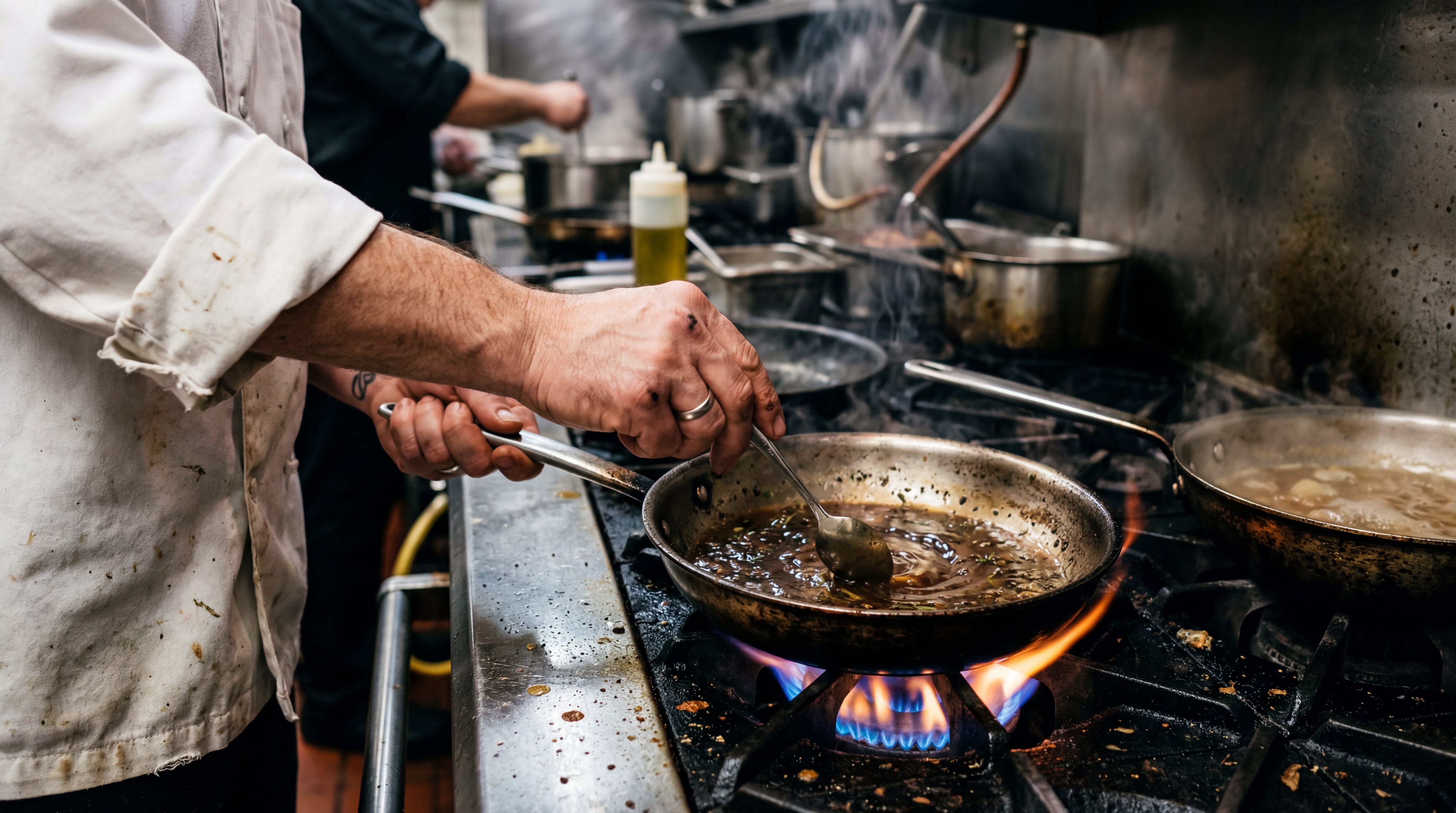
The restaurant that removes performance is not trying to be less. It is trying to be more precise about what it is offering and more honest about what the guest is actually there for. The answer, in almost every case, is not the ceremony.
It never was.