


Noma’s announcement in January 2023 that its permanent Copenhagen restaurant would close after the 2024 season was reported primarily as an economic story. René Redzepi cited the unsustainability of the labour model: the cost of maintaining a kitchen brigade skilled enough to execute at that level, in a city with the wages and cost of living of Copenhagen, against a price point that was already testing the outer limit of what a tasting menu could charge. The economic argument was accurate. It was also, as economic arguments about cultural institutions often are, the symptom rather than the cause.
Noma’s closure was not simply a failure of economics. It was the logical endpoint of a model that had exhausted the cultural proposition that made its economics possible in the first place. At its peak, Noma was not merely a restaurant. It was an argument about what food could be, about foraging, terroir, Nordic identity, the kitchen as laboratory. People flew to Copenhagen to participate in that argument. They paid extraordinary sums to do so. The food was extraordinary. But what they were primarily purchasing was proximity to a particular kind of cultural authority.
When that authority became more widely available when the ideas Noma pioneered were absorbed into the broader vocabulary of contemporary fine dining everywhere the specificity of Noma’s proposition was diluted. The restaurant remained exceptional. The reason to be specifically there, at that particular cost and complexity, became less clear. The economics followed the culture, not the other way around.
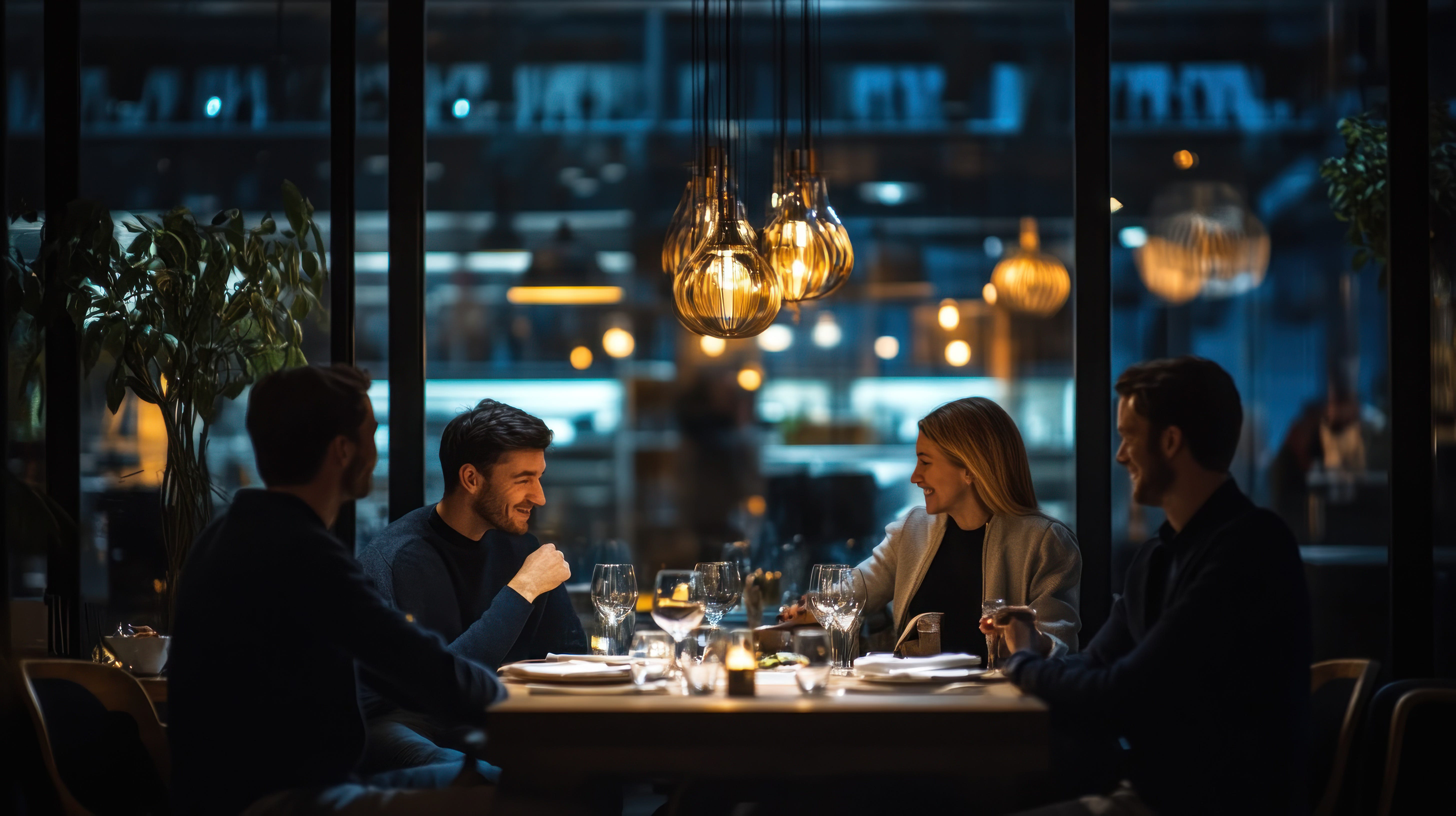
The Michelin Guide’s recent selections across global markets suggest a broader institutional recognition that culinary ambition no longer lives only inside the old formal apparatus. Bib Gourmand has long recognised exceptional food at more accessible price points, but its continued prominence matters now because the cultural centre of gravity has shifted. The point is not that Michelin has suddenly become populist. The point is that the old hierarchy has become less useful as a way of describing where serious food is actually happening.
El Celler de Can Roca has extended its world beyond the original temple of gastronomy through projects such as Esperit Roca, while Eleven Madison Park’s radical plant-based reinvention showed how even the most decorated institutions have been forced to reconsider what contemporary relevance requires. These are not isolated events. They represent a coordinated adjustment by the institutions of fine dining to a shift in what their audience values.
That shift is not from expensive to affordable, or from formal to casual. It is from ceremony to care.
The distinction is not semantic.
Ceremony is a form of performance that signals quality through the apparatus of service the choreographed amuse-bouche, the tableside preparation, the extended sequence of courses with their explanatory narratives. The apparatus communicates investment, precision, and seriousness. It also requires the guest to perform a corresponding response: to receive the ceremony with appropriate gravity, to treat each course as a distinct act in a production they are attending. This is a coherent offering. It is also, for an increasing proportion of even the most sophisticated dining audiences, not what they want from an exceptional meal.
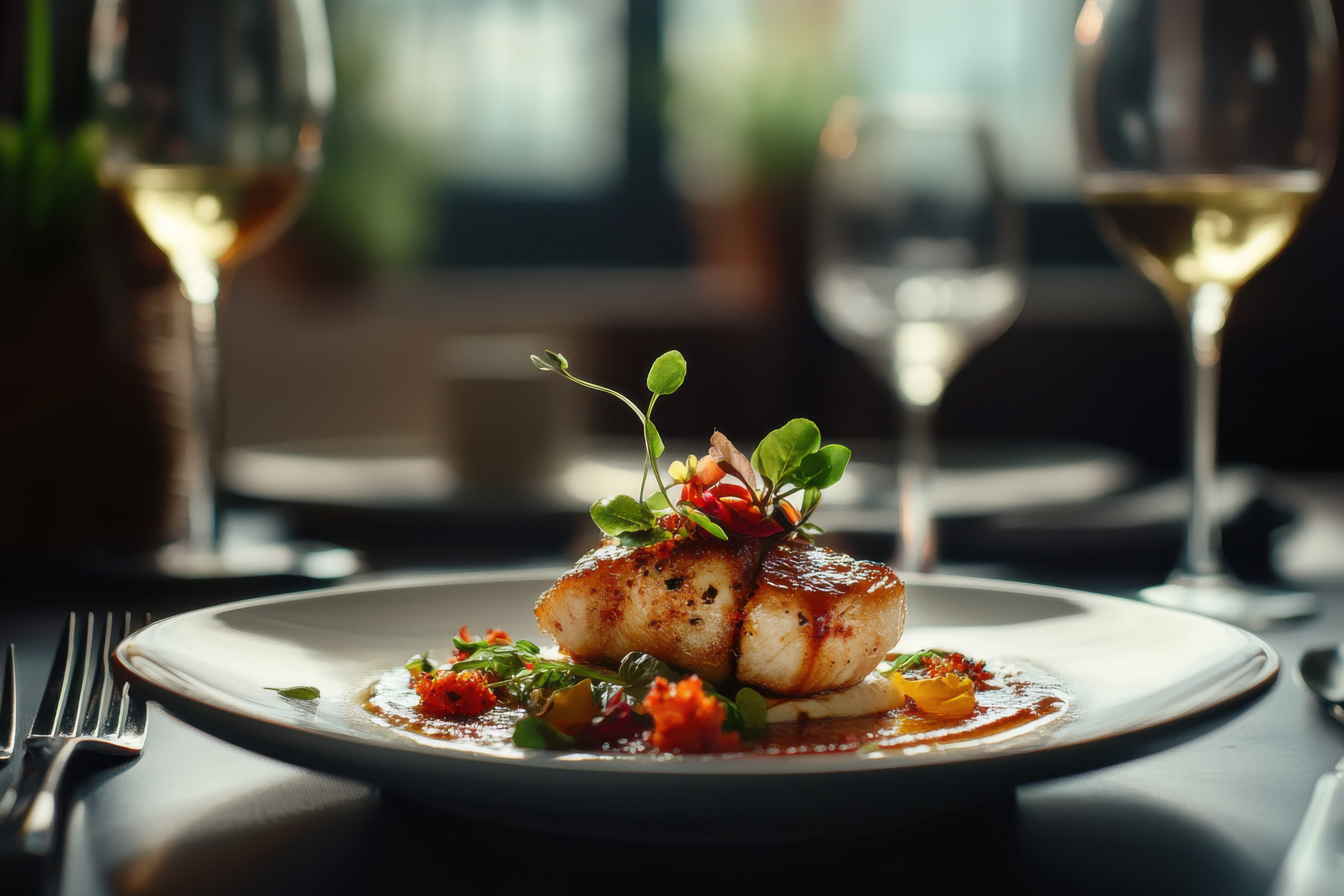
What those audiences want from an exceptional meal is what ceremony was originally designed to provide and has increasingly displaced: the feeling of being cared for. Not in the therapeutic sense, but in the most precise sense, a room that has been designed for your experience rather than its own performance, a kitchen that is thinking about what you will remember rather than what you will photograph, a service that creates ease rather than demanding attention.
The restaurants that are functionally impossible to book in 2026 — regardless of price point, regardless of formal category are the ones that have resolved this distinction and answered in the direction of care. Nusara in Bangkok. SingleThread in Healdsburg. In London, the kind of room that seats thirty covers and has not taken a reservation since its first week opened because word moved faster than any marketing system could have produced. These restaurants have not abandoned ambition. They have redirected it. The ambition is no longer about the experience being impressive. It is about the experience being right.
The generational observation that the fine dining industry has been reluctant to incorporate fully is this: many younger high-spending diners will allocate significant money to exceptional food. They will not allocate significant money to theatre they did not ask for. The white tablecloth, the amuse-bouche procession, the extended service choreography — these are not experienced as luxury by this audience. They are experienced as overhead. The luxury they are seeking is the feeling of being trusted to notice the quality of the food without being guided toward noticing it.
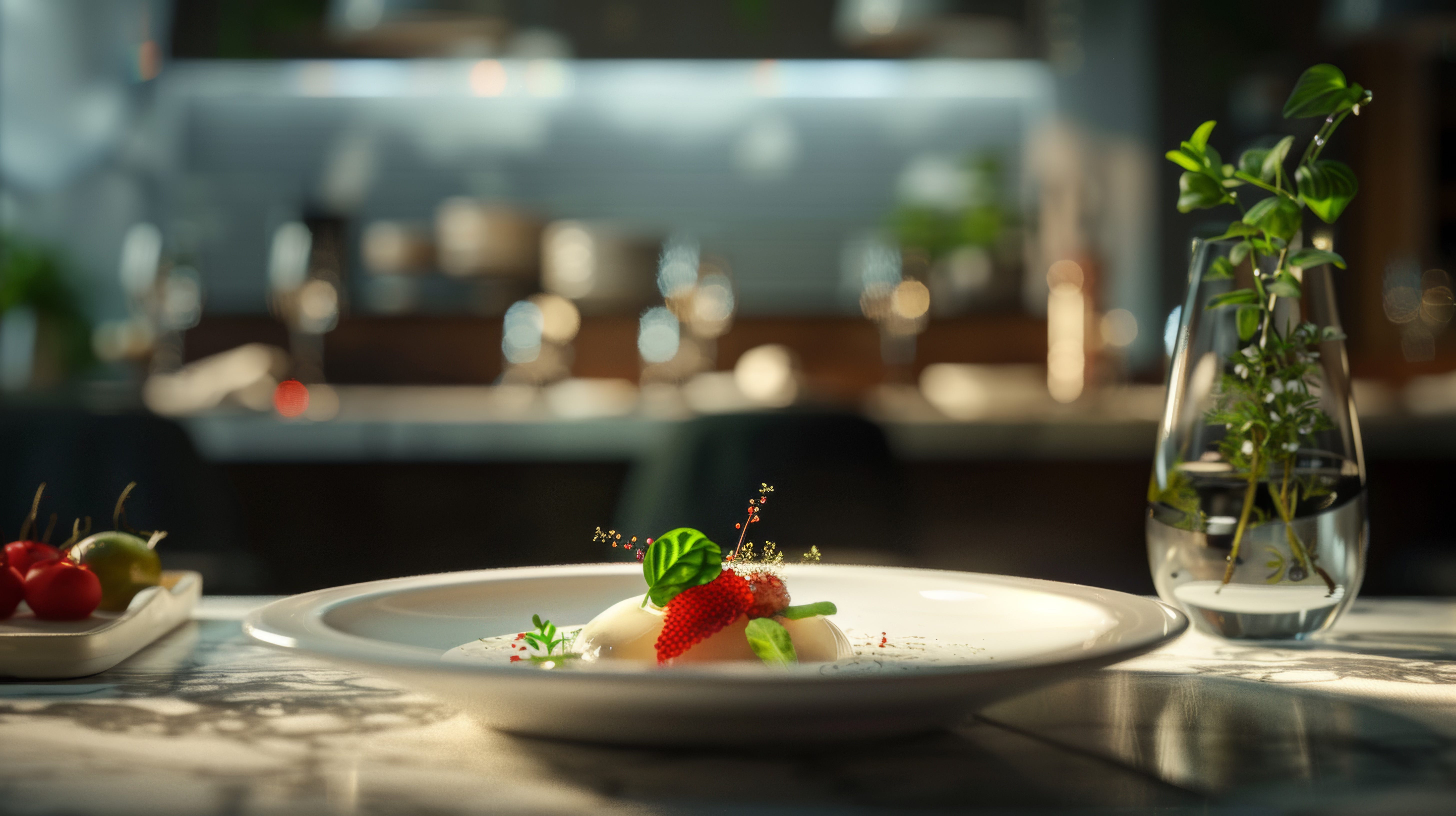
The reason care has become more valuable than ceremony is not that diners have become less sophisticated. It is that they have become more difficult to impress in the old ways. The visual grammar of fine dining has been absorbed into the culture. Everyone has seen the tweezers. Everyone has seen the foam. Everyone has seen the edible flower placed with surgical seriousness beside something fermented, smoked, reduced, clarified, or described as a memory. The once-private language of high gastronomy has become public content.
That does not make the work less skilled.
It makes the old signals less effective.
A generation ago, the formal apparatus of fine dining created distance, and distance created authority. The guest entered the room already prepared to be impressed. The tablecloth, the pacing, the silence, the arrival of small things on large plates, the choreography of service all of it instructed the guest to behave differently. You lowered your voice. You sat straighter. You received the meal with the seriousness it asked for. The restaurant did not only serve dinner. It changed the guest’s posture.
For a long time, that was part of the pleasure.
Now, for many diners, it can feel like another form of work.
The contemporary guest is already performing everywhere else. Performing competence at work. Performing taste online. Performing wellness, ambition, gratitude, social fluency, emotional control. By the time that guest sits down for dinner, the last thing they may want is another environment that requires careful self-management. The old fine dining room asks: do you know how to behave here? The better modern restaurant asks: how can we make you forget you are being assessed?
That difference is everything.
Care is not informality. It is not the absence of standards. It may require more discipline than ceremony because it has to be precise without appearing anxious. The room still has to work. The glass still has to be filled at the right moment. The dish still has to arrive at the correct temperature. The lighting, pacing, chair, acoustics, music, menu structure, and staff movement still have to be engineered. But the engineering should disappear into ease. The guest should feel held, not handled.
This is why the most memorable restaurants often leave behind surprisingly simple memories. Not necessarily the most technically elaborate dish. Not the rarest ingredient. Not the most dramatic plating. Sometimes what remains is the moment the room understood the table was tired. The server who explained less because less was enough. The dish that arrived exactly when conversation needed a pause. The dessert that did not try to prove anything and therefore became the thing everyone wanted to return for. The sensation that the restaurant was not asking for admiration at every turn.
Fine dining, at its weakest, confuses attention with demand. It believes that because something took enormous effort to produce, the guest must be made aware of the effort. The explanation becomes a receipt for labour. The course-by-course narration becomes a form of proof. But the guest did not come to audit the restaurant’s seriousness. The guest came to experience the result of it.
The difference between effort and care is subtle but decisive.
Effort says: look how much we did.
Care says: notice how little you had to carry.
Effort wants recognition. Care creates relief. Effort can be impressive and still leave the guest emotionally untouched. Care can be almost invisible and still become the reason the guest returns.
This is what fine dining lost when it became too invested in its own theatre. It began to confuse the symbols of excellence with the experience of being excellently looked after. It assumed that if the apparatus was intact, the meaning would still arrive. But meaning does not live in the apparatus. It lives in the guest’s memory of how the meal made them feel once the plates were cleared and the bill was paid.
The restaurants that understand this are not rejecting ambition. They are moving ambition into a quieter register. They are asking more difficult questions than “how do we impress?” They are asking: what should this room do to the nervous system? How much information does the guest actually need? What kind of pleasure are we protecting? At what point does explanation become interruption? At what point does precision become pressure? At what point does the restaurant’s desire to be seen begin to compete with the guest’s desire to be present?
These are not soft questions.
They are the hard questions now.
Because in 2026, almost anything can be made photogenic. Almost anything can be made expensive. Almost anything can be given a story. The harder thing is to make a guest feel that the restaurant has used all of its intelligence in service of their experience rather than in service of its own self-image.
That is why the next serious restaurants may not look, at first, like a revolution. They may look simpler. Warmer. More specific. Less desperate to prove range. They may reduce the number of courses, shorten the explanation, soften the room, rethink dessert, give more weight to comfort, and treat pleasure not as a concession but as a serious culinary outcome.
The future of fine dining is not less intelligence.
It is intelligence with better manners.
BRIX Journey — the dessert-only restaurant at Jumeirah Fishing Harbour in Dubai, recognised by Gault&Millau UAE with a toque represents a specific version of this argument. The concept describes itself as a dessert-only restaurant offering set-course menus of fine-dining desserts, balancing sweet and savoury ingredients with non-alcoholic pairings. That matters because it treats dessert not as an ending, but as the entire proposition.
The toque is not awarded to concepts. It is awarded to kitchens demonstrating sustained technical mastery and a coherent culinary philosophy. That a dessert-only restaurant holds this kind of recognition is not a curiosity. It is evidence of something the industry is still in the process of acknowledging: that the course most consistently undervalued by the formal structure of fine dining can, when taken seriously on its own terms, carry the full weight of a dining experience.
The rehabilitation of pleasure as serious subject matter the refusal to treat sweetness as intellectually lesser than salt and acid is part of the same movement that is redistributing fine dining’s cultural authority toward whoever is most honest about what they are offering and to whom.
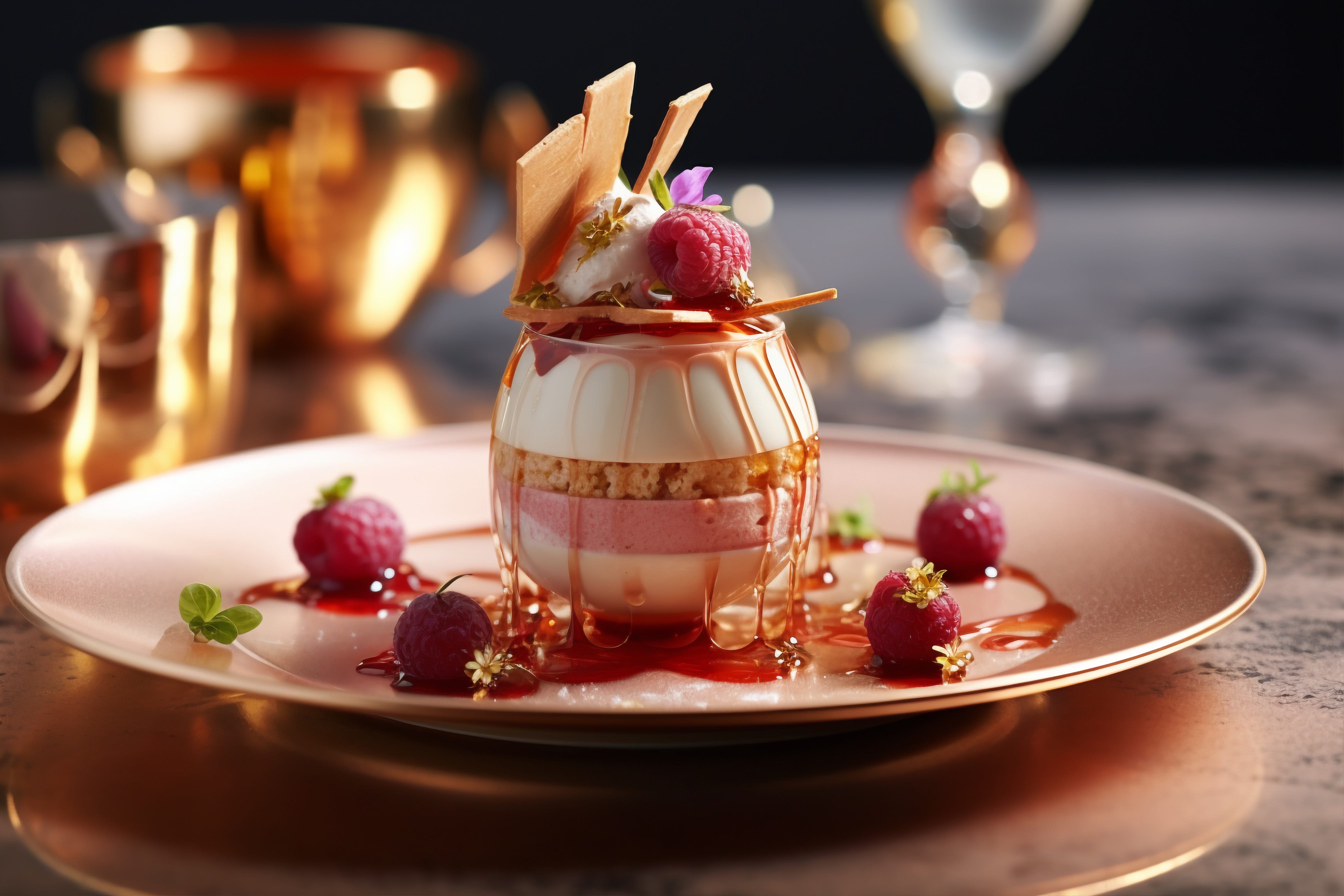
Fine dining will not disappear. It will consolidate around the restaurants offering something genuinely irreplaceable: a specific intelligence, ingredient access unavailable elsewhere, a format that cannot honestly be replicated at lower cost, a room that understands its guest more precisely than its own mythology.
What will disappear is fine dining as the default aspirational category as the vessel into which all serious culinary ambition is expected to pour.
The aspiration has moved somewhere more honest.
It has moved toward restaurants that understand that care is not a softer ambition than ceremony.
It is a higher one.
The restaurants that understand this earliest are the ones that are full.
An incredibly and very interesting perspective!