


What Italy taught us: beauty gets stronger when it stops explaining itself.
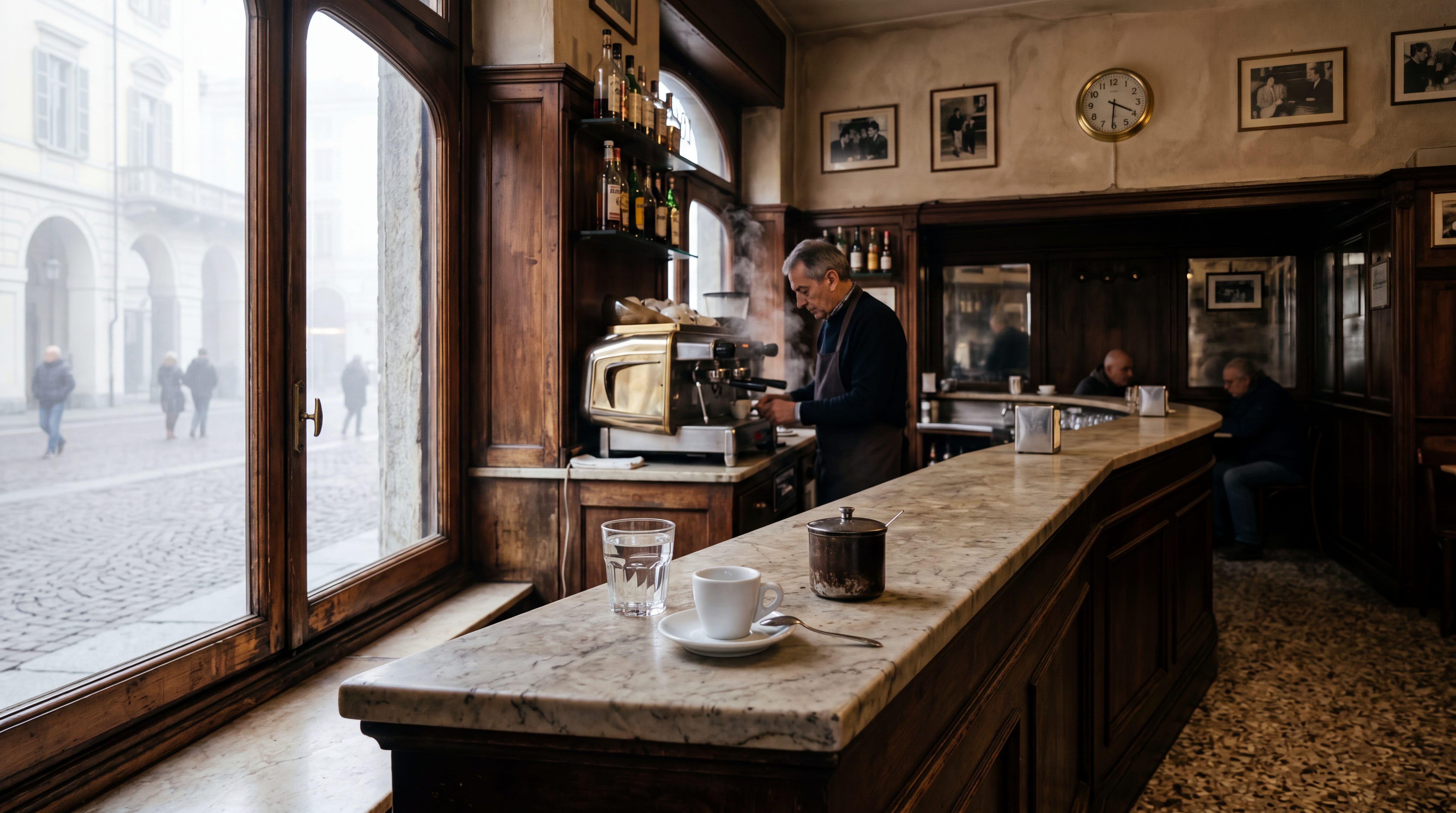
We opened this issue with a man drinking an espresso in Turin who never once reached for his phone, and I have been thinking about him all month, because in the end every essay we published was, in some way, about him.
The car that loves you back.
The jacket that makes no sound.
The pasta that settles you before it flatters you.
The makeup made by hands that are never named.
The taste bought slowly, behind a quiet door, by someone confident enough to say no.
They were all the same lesson, told in different rooms.
And the lesson is the one that man embodied without trying, in thirty unhurried seconds at a marble bar: that the most powerful thing you can do is stop performing the moment and simply, completely, be inside it.
Let me draw the thread tight, because a closing note should leave you with something portable. Everything we admired about Italy this month came down to a single, almost defiant act: subtraction.
The Italians make beauty stronger by removing, not adding. They remove the logo, and the garment gains authority. They remove the complexity, and the food gains the power to move you. They remove the announcement, and the room gives them more attention, not less.
Every pillar pointed the same way: toward the radical idea that confidence is what is left when you finally stop trying to convince anyone.
The whole issue, in one word, was less, and how much more less turns out to be.
Less, in the Italian sense, is not deprivation. That is the mistake the modern eye makes. It sees restraint and thinks something has been withheld.
Fewer clothes.
Fewer ingredients.
Fewer words.
Fewer gestures.
Less spectacle.
Less explanation.
It mistakes editing for absence, when the opposite is true. The best Italian things are not empty. They are concentrated.
A good plate of pasta is not less than a complicated tasting menu. It is a decision made so clearly that nothing extra is needed. A beautiful jacket is not less than a louder one. It is a garment whose authority has moved inward, into cut, cloth, proportion, and fit. A quiet room is not less luxurious than an over-decorated one. It is a room with enough confidence to let space do some of the work.
That is what this issue kept returning to.
The power of things that do not panic.
Italian taste, at its best, does not seem afraid of silence. It does not rush to fill every surface, every plate, every sentence, every outfit, every moment.
It understands that emptiness can hold attention if what remains is strong enough.
A single beautiful object on a table can say more than a crowded display.
A meal of three ingredients can reveal more discipline than a dish that arrives carrying the anxiety of twelve techniques.
A woman in a perfectly chosen shirt can look more finished than someone dressed in evidence.
Evidence is what we keep mistaking for taste. Evidence that we know the trend. Evidence that we can afford the thing. Evidence that we were in the room, at the restaurant, on the trip, inside the moment. But evidence is not the same as presence. Evidence is what remains when the self does not trust itself to be believed.
Italy, as we read it this month, offered something else: the possibility of being sufficiently inside the choice that it no longer needs to be defended.
That is why the lessons travelled across every pillar.
Fashion, food, beauty, interiors, cars, craft, shopping, and status were never separate subjects. They were different ways of asking the same question: what would change if you stopped choosing for proof?
Not stopped wanting.
Not stopped caring.
Not stopped loving beauty.
Only stopped asking beauty to perform your value for you. That distinction is everything. The Italian lesson is not anti-desire. It is desire with a spine. It is wanting that has been trained. It is appetite disciplined enough to become taste.
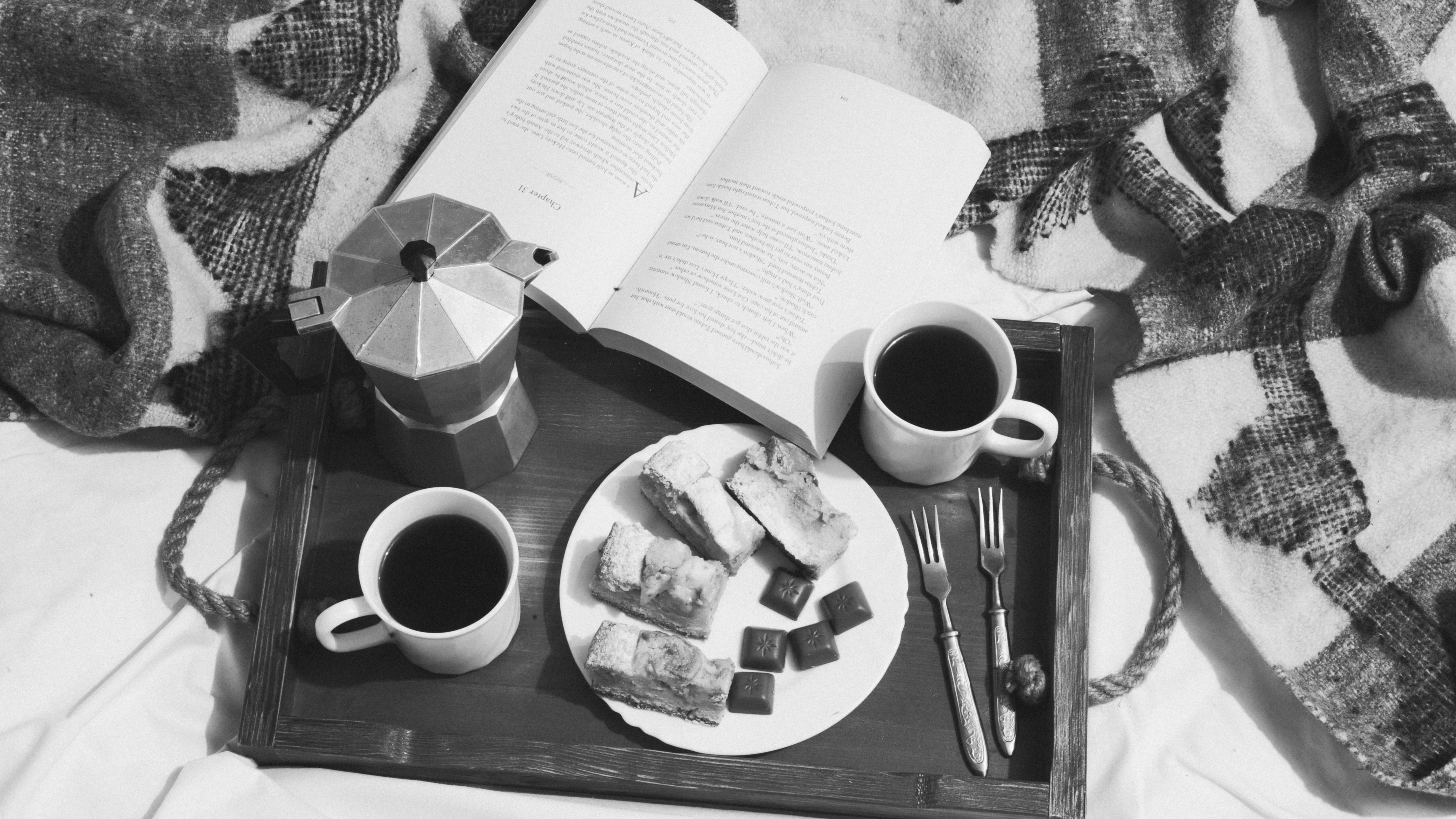
This runs directly against the current of contemporary life, which is why it lands like a kind of relief.
We are taught to express ourselves through accumulation: more output, more visibility, more proof of our own worth, broadcast constantly to an audience we are not even sure is watching.
The Italian instinct is the precise opposite, and the longer you sit with it, the more it reveals itself as not just an aesthetic but a way of being well.
To want less and mean it more. To choose a few good things and let them last. To trust that the people who matter will recognise quality without being told it is there, and to stop, entirely, dressing for the ones who will not.
There is a deep, almost spiritual rest in that posture the rest of no longer auditioning for your own life.
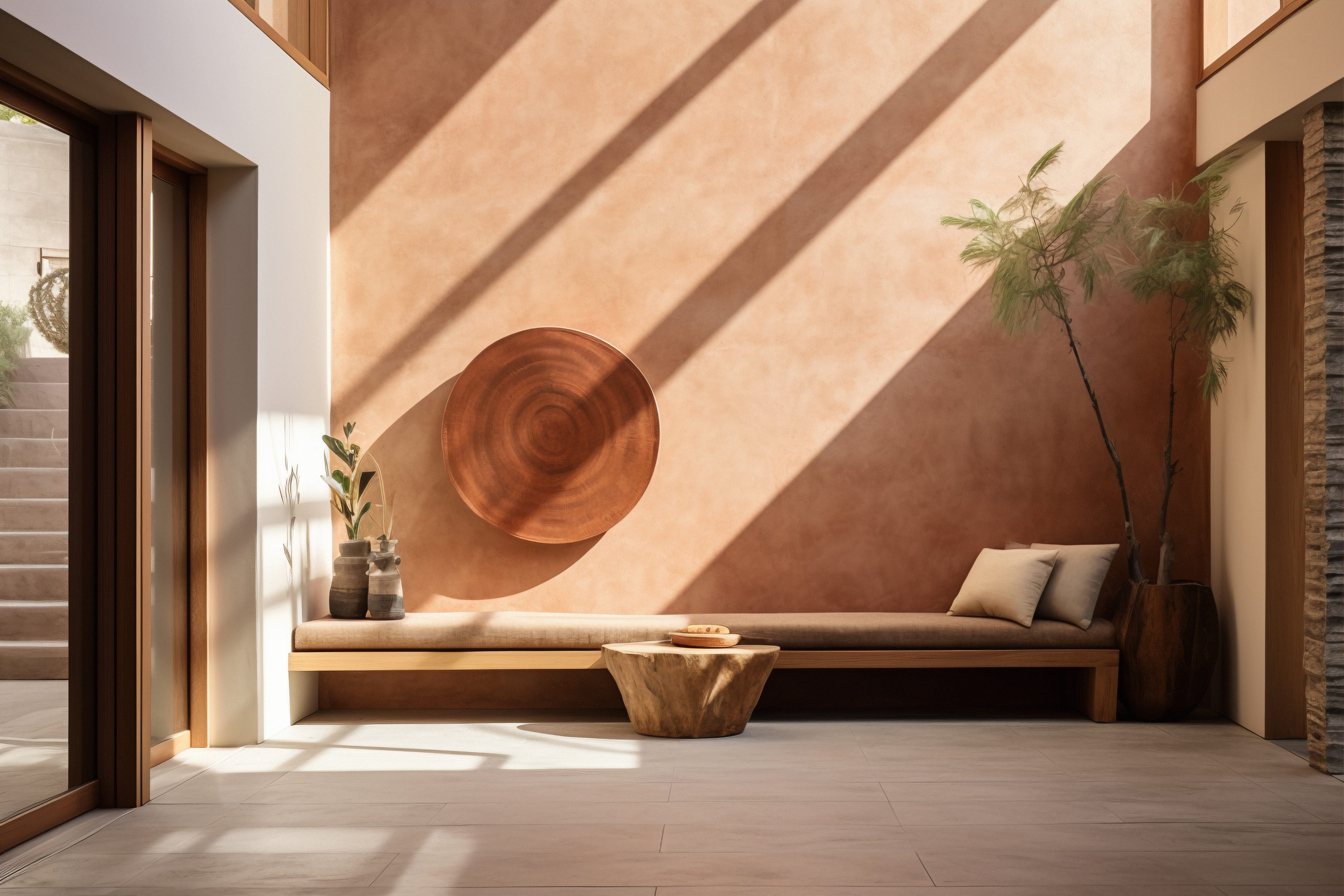
I do not want to romanticise a whole country; Italy has its noise and its contradictions like anywhere. What we have been tracing all month was never the literal place.
It was a principle that the place happens to preserve better than most the principle that beauty, taste, and even joy grow stronger the moment they stop explaining themselves. You can practise that principle in any city, in any wardrobe, at any table, on any budget.
It costs nothing.
It asks only that you have the nerve to subtract, and the patience to let the few things that remain become genuinely, lastingly good.
So take the posture with you.
The next time you reach to add another purchase, another flourish, another word in a sentence that was already finished, pause, and ask the Italian question instead: what happens if I remove this?
More often than you would expect, the answer is that the thing gets better, clearer, more itself.
That pause is the entire inheritance of this issue.
Everything else was just illustration.
The man at the bar finished his espresso, nodded once, and walked out into the fog without a single backward glance, because he had nothing to prove and nowhere he needed to be seen.
We spent a month learning to walk like that.
I hope a little of it stays with you when the issue closes and August arrives, because the season changes but the posture does not have to.
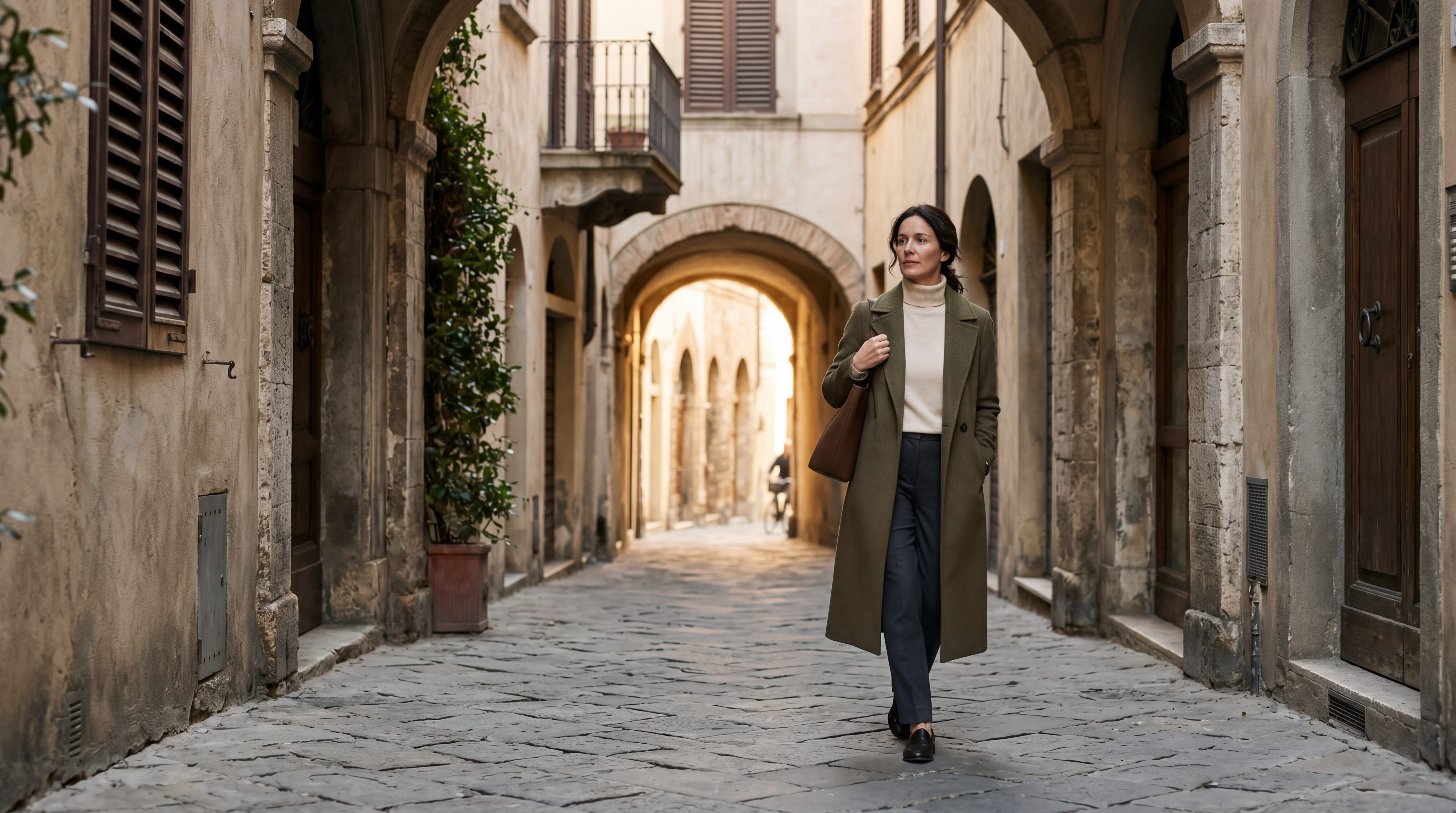
Thank you for reading The Italy Issue.
We built it the Italian way slowly, with care, and with a great deal left deliberately out.
Hold yourself well.
— Maria, OFFF DUTY
Next month: the posture moves into August.
Subscribe to stay at the table for what comes after Italy.