


Fashion week coverage has a reliable rhythm. The shows end, the reviews publish within hours, and by the time the season has been fully digested by buyers, editors, and the designers themselves the cultural conversation has moved to something else entirely. The analysis that would actually be useful arrives too late to be heard above the immediate response.
This is that analysis, twelve weeks later, written now because now is when it becomes clear.
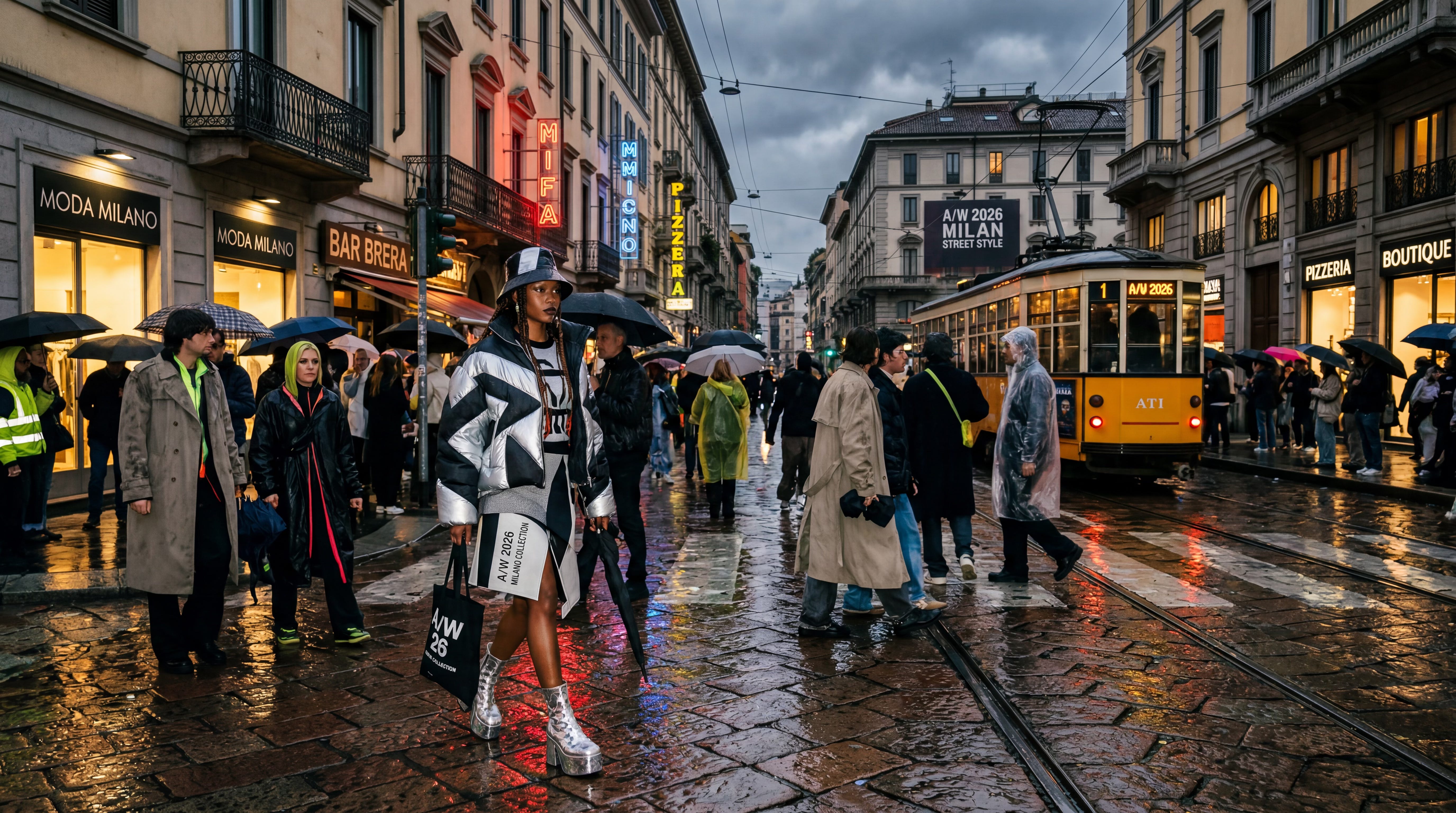
Milan’s Autumn/Winter 2026 season was, in aggregate, a season about resolution. Not resolution in the sense of conclusion or closure, but in the sense of settled convictions clearly held. The collections that received the most serious attention were not the ones with the most spectacle. They were the ones where, somewhere upstream of the collection in the studio, in the development process, in whatever conversation happened before the first look was dressed a decision had been made about what the house actually was and what it was actually for.
Prada did not abandon complexity, but disciplined it. The silhouettes assumed rather than questioned. The layering, rather than reading as irony or archival quotation, began to feel like a method of authority: controlled, exacting, and current. The Business of Fashion’s Milan review, published February 26, 2026, read the day through the question of identity precisely the territory Prada was entering. The collection mattered because it did not ask whether authority could still be made modern. It dressed as though the answer had already been decided.
Bottega Veneta under Louise Trotter produced a first full season in which accessories, texture, and garment architecture were made to carry the argument together. The house’s own language around the Winter 2026 collection emphasised structure, tailoring, and sensual textures; the season’s strongest impression was the way objects and clothes behaved as one material vocabulary rather than as separate categories. The bag was not merely an add-on. The garment was not merely context. Together they made a claim about continuity, use, and the customer’s life beyond the runway.
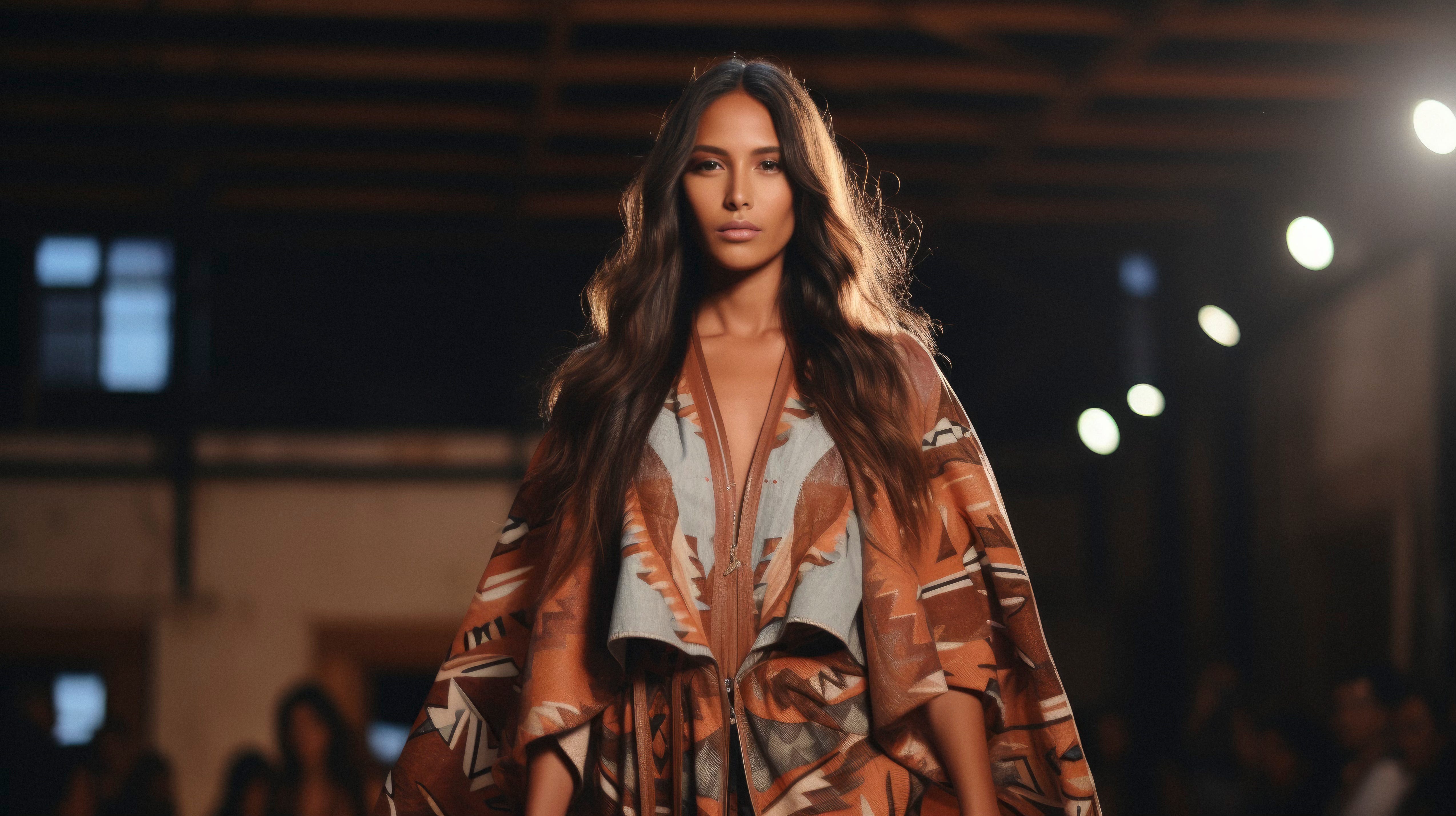
Jil Sander, under Simone Bellotti, offered another version of the same question: how much can be stripped away before clarity becomes cold, and how much can be added before restraint loses its intelligence? In a Milan season marked by debuts, transitions, and houses attempting to define the next phase of their authority, the most successful work was not always the most dramatic. It was the work that understood proportion as a form of conviction. The quietness was not emptiness. It was control.
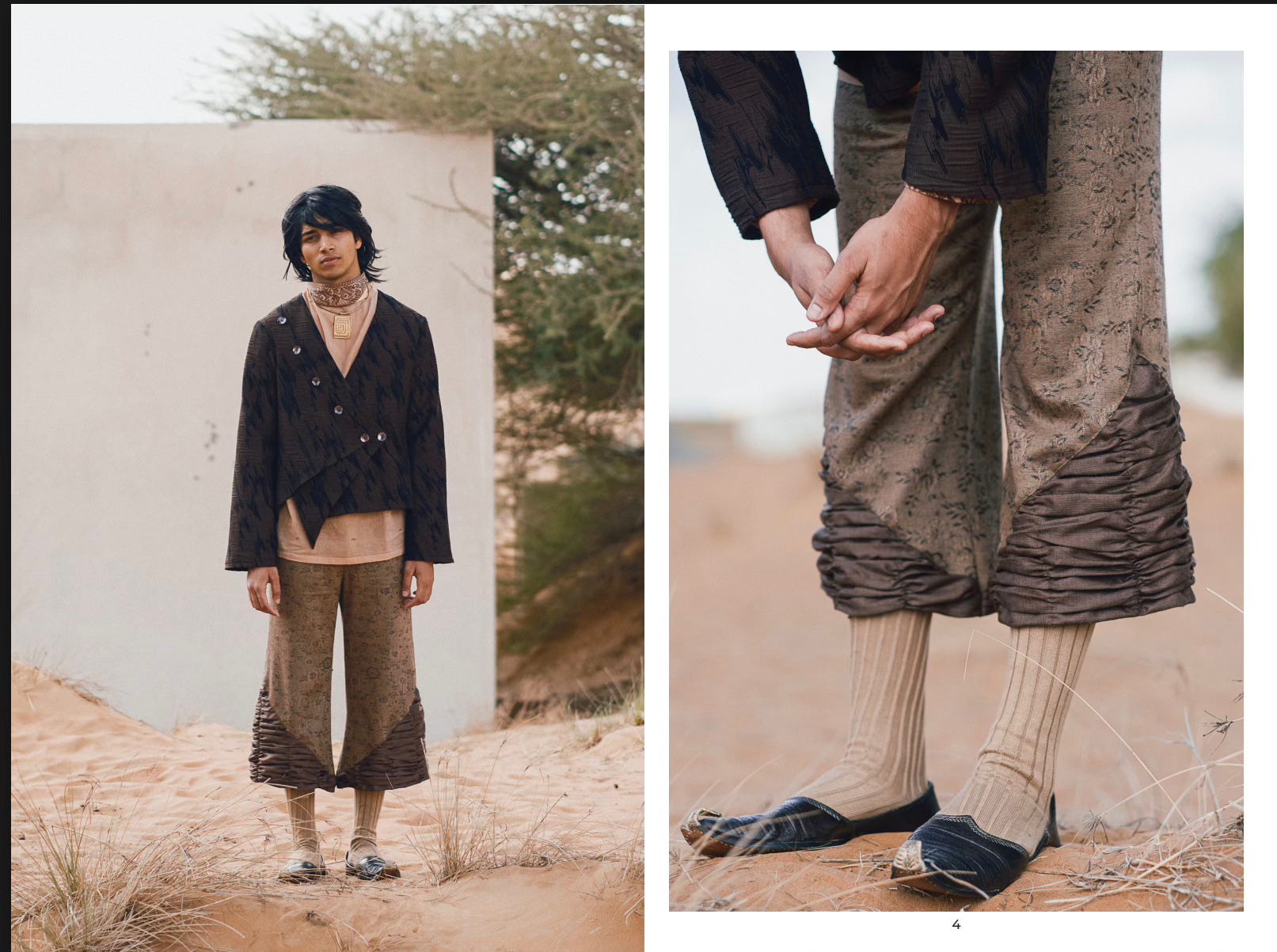
Absent Findings showed digitally on the official Milano Fashion Week calendar in January 2026. The A/W 2026/27 collection, Not What You Think, brought deadstock construction and South Asian sartorial vocabulary into conversation with a Milan audience, creating a rare and significant appearance for a Dubai-based independent label within the Milan calendar. The point was not simply geographical representation. It was the settled conviction of a designer who knows what the work is for, and the refusal to make origin perform as novelty.
The reason this matters now is that fashion has become unusually good at simulating conviction. A collection can be styled to look intellectually difficult. A campaign can be art-directed into seriousness. A press release can be written in the language of heritage, disruption, intimacy, craft, repair, protection, memory, or community. The vocabulary is available to everyone. The visual codes are available to everyone. Even the mood of depth can now be reproduced with alarming speed.
That is why the actual test of a collection is no longer whether it looks like it has a point of view. It is whether the point of view survives contact with time.
Real conviction creates continuity. It does not mean repetition, and it does not mean refusing change. It means that when the collection moves, it moves from somewhere. The new silhouette still carries the logic of the house. The strange colour choice still belongs to the argument. The accessory is not a random commercial interruption. The styling does not feel like a rescue operation. Nothing appears to have been added only because the season needed a talking point.
This is what weaker collections cannot fake for long. They may photograph well in the first forty-eight hours. They may produce one viral look, one useful front-row image, one strong celebrity placement. But after the first response fades, they become difficult to discuss because there is no inner architecture to return to. The clothes existed as event, not as position.
Milan’s strongest work this season resisted that disappearance. It gave the industry something more durable than novelty: an argument that could still be located weeks later. That is why this reading could not be written properly in the immediate aftermath of the shows. Conviction is not always the first thing you see. Sometimes it is the thing that remains when the spectacle has left the room.
What Milan A/W 2026 said, in aggregate, was this: the collections that remained in conversation after the reviews published were the ones built from positions that their designers were willing to hold without softening. Not because conviction is fashionable. Because in a season full of work produced at high volume with high technical competence, work produced from genuine conviction reads completely differently from work produced by skilled imitation of conviction.
The difference is not always visible in a runway photograph. It becomes visible over time, in which pieces get worn and which ones get archived, in which collections get referenced five seasons later and which ones are impossible to describe without the season year.
The houses that answered the question what are we actually for? before the season began are the ones being quoted now.
That question, what are we for? is the most important one a fashion house can answer. Not in brand strategy documents. In the clothes themselves.
Milan, this season, showed what it looks like when the answer is clear.
And what it looks like when it isn’t.