


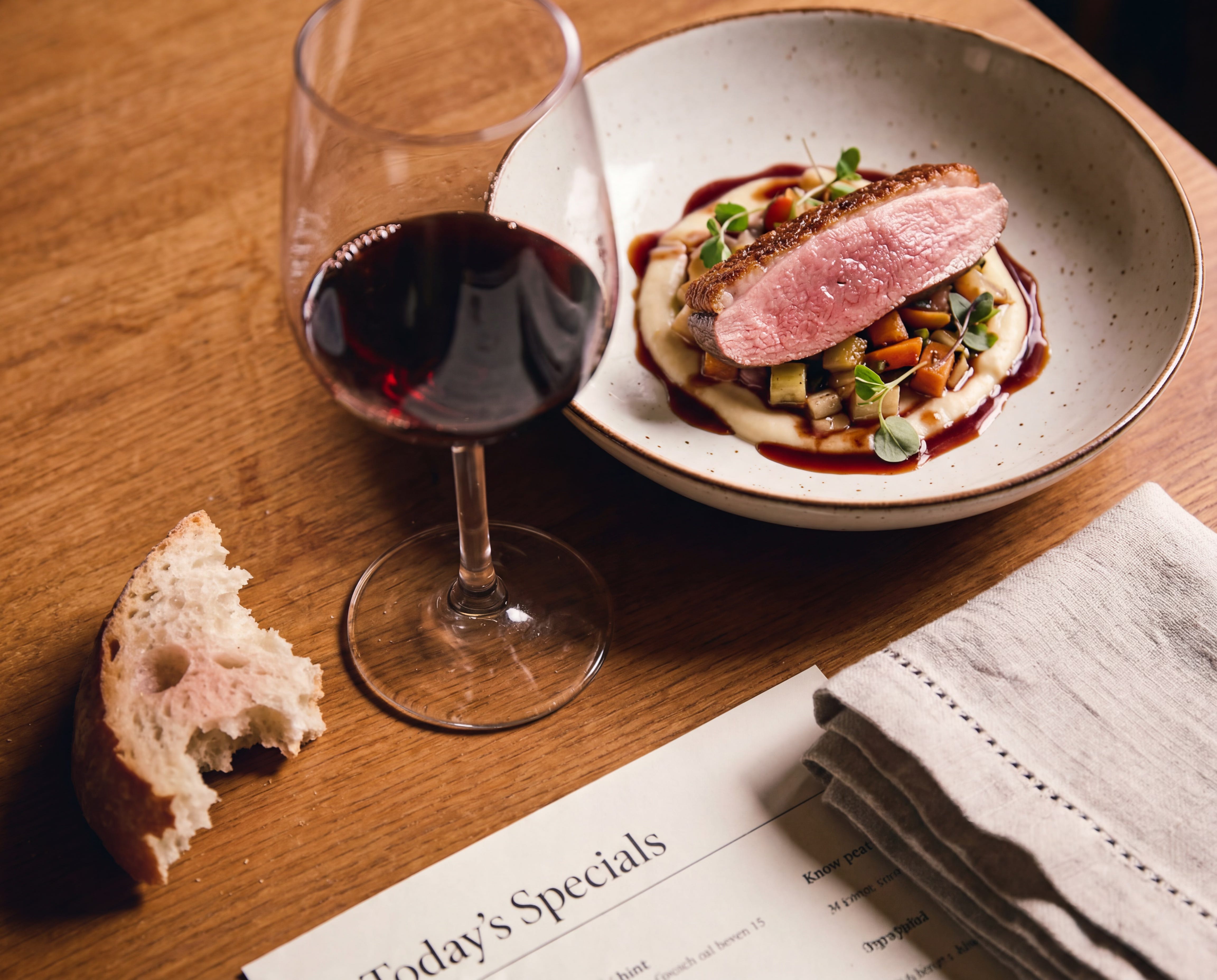
I have a theory about restaurants.
Not about the food, specifically. About the choice. About why we choose the places we choose, and what that choice, made usually in about thirty seconds, almost never consciously reveals about the self we are currently inhabiting.
The theory is this: every restaurant choice is a self-portrait.
Not because food is identity, that particular brand of cultural over-reading produces the worst dinner conversation imaginable. But because the way we eat in public is one of the last social behaviours we have not yet fully learned to perform for an audience. It remains, stubbornly, more honest than most things we do.
There is less time to construct a version of yourself when a decision has to be made quickly. Less opportunity to optimise how it will be perceived. The choice emerges more directly, shaped by instinct, habit, and a set of preferences that have been formed over time rather than curated in the moment.
And that is where it becomes interesting.
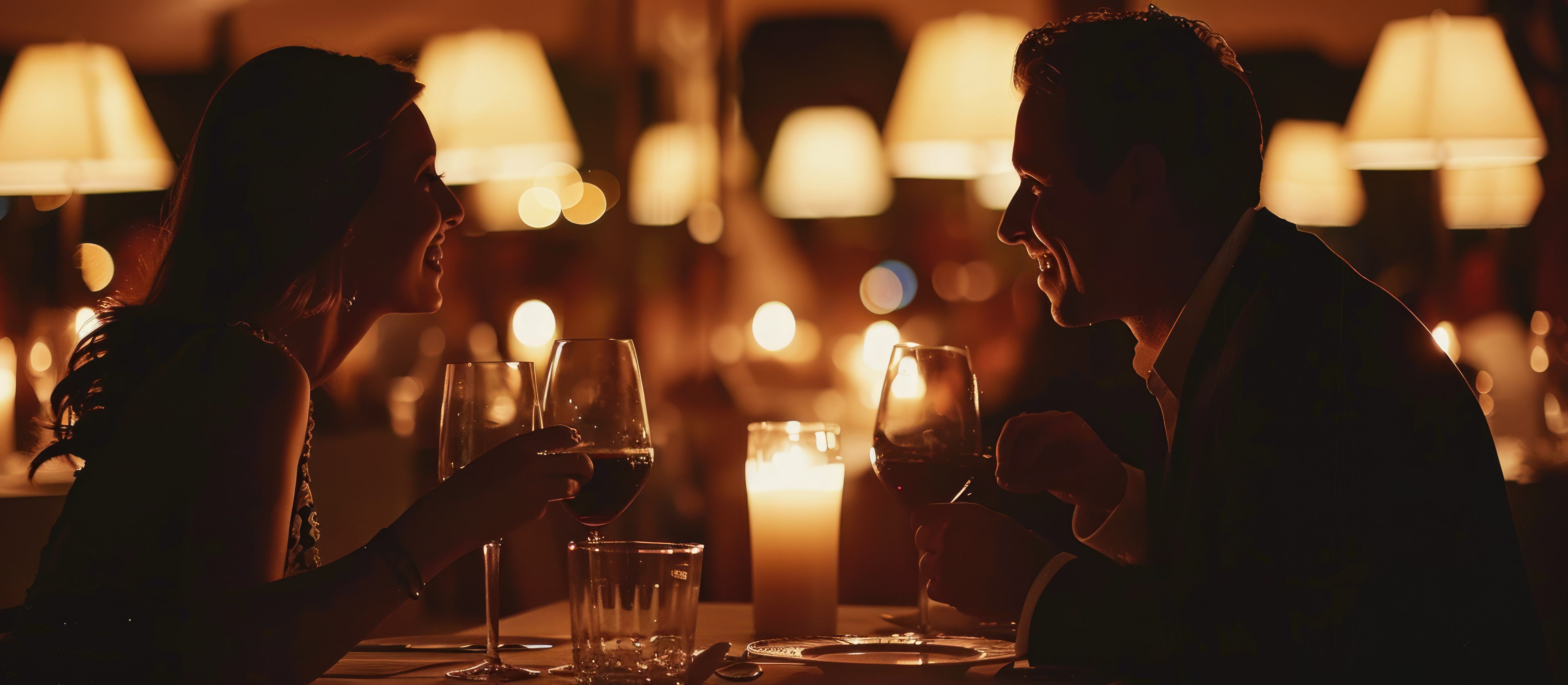
Consider the person who always suggests the newest place.
The restaurant that opened three weeks ago. The one with the wait list and the natural wine list and the tasting menu that changes based on what came in from the farm that morning. They know the chef’s previous restaurant. They have already read the review.
This is not snobbery, necessarily. It is a form of attention. The newest place is a way of saying: I am paying close attention to what is happening right now, and I want you to know that I am.
The choice is not about food. It is about currency. Social currency,the kind that comes from being early.
And being early has always carried value. It signals awareness, proximity to culture, a certain fluency in what is considered relevant before it becomes widely recognised. But it also carries a subtle pressure: the need to continue keeping up, to remain aligned with what is moving, to avoid falling behind.
Now consider the person who always goes back to the same place.
The neighbourhood restaurant they have been going to for four years. The one where the waiter knows their order, where the table in the corner is understood to be theirs on a Tuesday, where nothing on the menu has changed since the year, they discovered it. They are not indifferent to new restaurants. They simply do not need them.
This choice is also a form of attention. But it is attention turned inward rather than outward. The person who returns to the same table is optimising for depth rather than novelty. They have already found something worth returning to, and they are not going to abandon it for the sake of being interesting.
There is a kind of confidence in this that is often overlooked. Not the confidence of certainty, but the confidence of sufficiency, the sense that what has already been found is enough, and does not need to be constantly replaced in order to remain valuable.
There is a third person worth thinking about.
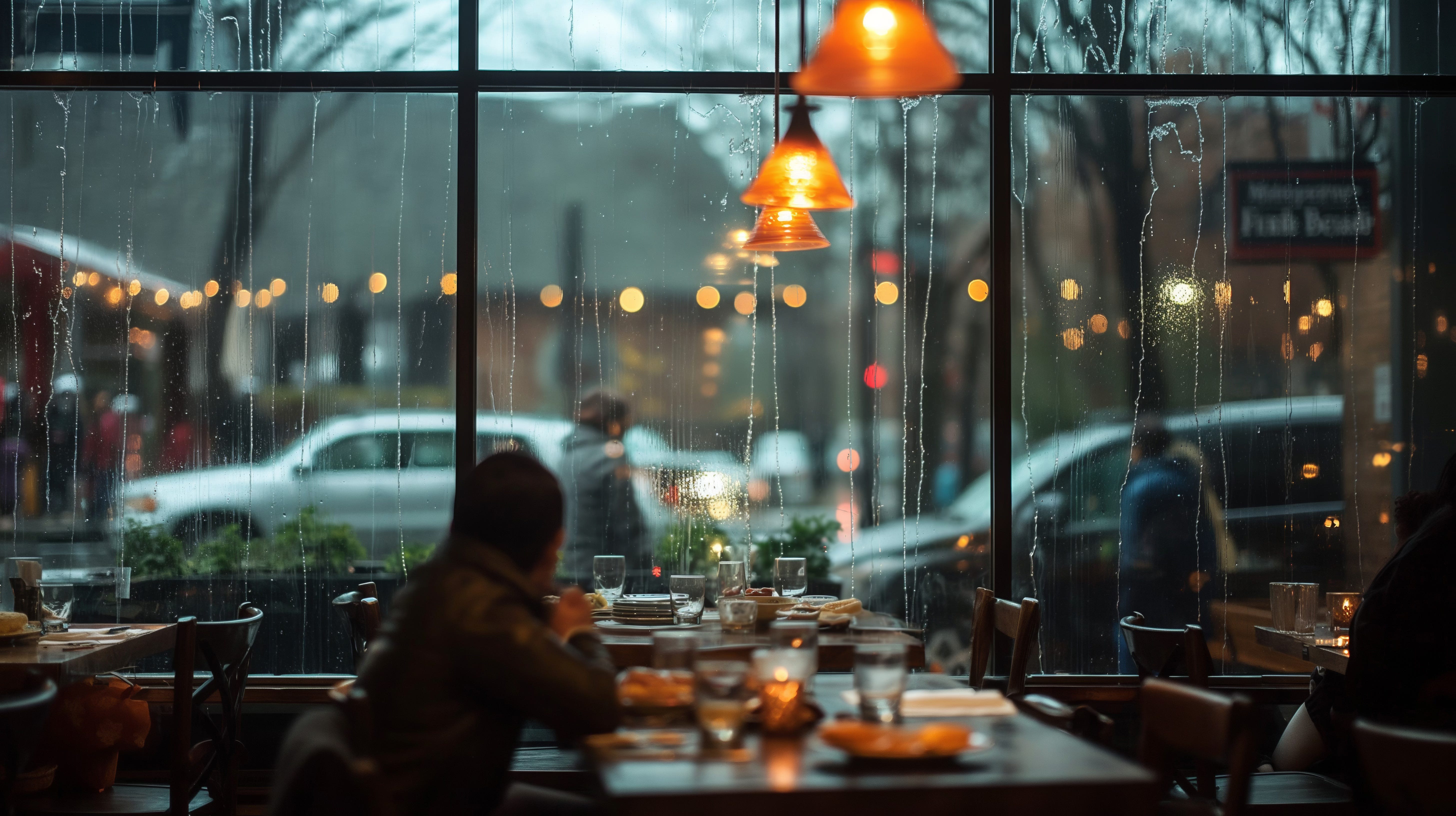
The one who chooses the restaurant for the room rather than the menu. Not because the food is unimportant, but because they understand, with the kind of clarity that comes from having eaten in a lot of rooms, that the quality of a meal is never just about what is on the plate. It is about the acoustics. The light. The distance between tables. The particular atmosphere of a room that has been designed by someone who cared about how it would feel rather than how it would photograph.
This person is usually the most interesting to eat with.
They have noticed something that the culture is only beginning to articulate that a great restaurant is not primarily a delivery mechanism for food. It is an architecture of attention. It asks you to be present in a specific way, and the best ones, the ones worth going back to, worth seeking out, worth telling other people about do this so quietly that you barely notice it is happening.
What they are responding to is not the dish itself, but the conditions in which the dish is experienced. The pace, the rhythm, the absence of interruption, the sense that the room is holding the moment rather than competing with it.
You simply find, somewhere around the second course, that you have forgotten your phone is in your pocket.
That is not an accident.
It is the result of decisions that have been made long before you arrived,decisions about space, sound, light, and restraint. Decisions that shape behaviour without announcing themselves.
The restaurant that makes you forget your phone is in your pocket is doing something that almost nothing else in contemporary culture is attempting.
It is not competing for your attention.
It is creating conditions in which your attention becomes something you want to give.
That distinction matters more than it seems.
Because most environments today are built around interruption. Around capturing attention quickly, holding it briefly, and replacing it before it fades. The result is a constant low-level fragmentation of experience, a sense that everything is happening, but very little is being absorbed.
A restaurant that removes that fragmentation does something structurally different.
It restores continuity.
The distinction sounds subtle. It is, in practice, the difference between an experience you will remember in ten years and one you will have forgotten by next week. And it maps with a precision that I find genuinely compelling onto almost every other domain where the question of quality is being seriously asked.
What that mapping looks like, and what it means for how we think about the places we choose and why we keep choosing them, is exactly what this month’s paid essay explores.
But first, one more thing.
The restaurant choice reveals something about who you are right now.
Not who you were. Not who you are becoming.
Who you are right now, how much certainty you carry, how much you need to be seen, how deeply you have made your peace with your own taste.
And perhaps more importantly, whether your choices are still being shaped by what is available, or by what you have already decided is enough.
It is, in that sense, more honest than almost anything you will say at the table.
— OFFF DUTY
If you want slightly sharper version:
The full thinking continues in this week’s paid essay: The Meal That Does Not Perform, will be published on Monday, April 28.
It is about slow food, silence, and the kind of eating that does not require documentation to be real.
If this felt familiar, the next layer will make it clearer.