


Luxury used to introduce itself immediately.
You could recognise it across a room before anyone spoke a word. A handbag carried its logo boldly across the leather. A belt buckle flashed a designer name large enough to catch the light at dinner. Shoes arrived stamped with branding so prominent that the label itself became part of the design.
There was a reason for that.
For much of the late twentieth century and the early years of the new millennium, luxury brands were expanding faster than at any point in their history. Global wealth was rising. New markets were opening. Entire generations were discovering the language of luxury for the first time.
People wanted to belong to that world.
But belonging requires translation. Many new customers were entering a cultural space whose codes they had not yet learned. Logos solved that problem elegantly. They translated value instantly.
A logo did not simply communicate brand identity. It communicated price, access, taste, and aspiration — all in a single glance.
You did not need to understand tailoring, craftsmanship, or design history. The symbol explained everything.
For a while, this system worked beautifully. Luxury became legible.
But signals behave strangely once too many people learn how to read them. What once felt exclusive gradually becomes familiar. And when familiarity spreads widely enough, distinction begins to dissolve.
Over the past decade something subtle has been happening across fashion, beauty, interiors, and even the way influence itself operates.
Luxury has been learning how to relax.
The shift did not arrive dramatically.
There was no season when designers collectively announced that logos had lost their power. Instead the change unfolded gradually, through dozens of small decisions that only became obvious when viewed together.
Branding moved discreetly inside garments instead of across them. Labels became smaller. Fabrics began receiving more attention than logos. Designers spoke increasingly about tailoring, proportion, and construction rather than statement pieces designed to attract attention.
The clothes themselves seemed calmer.
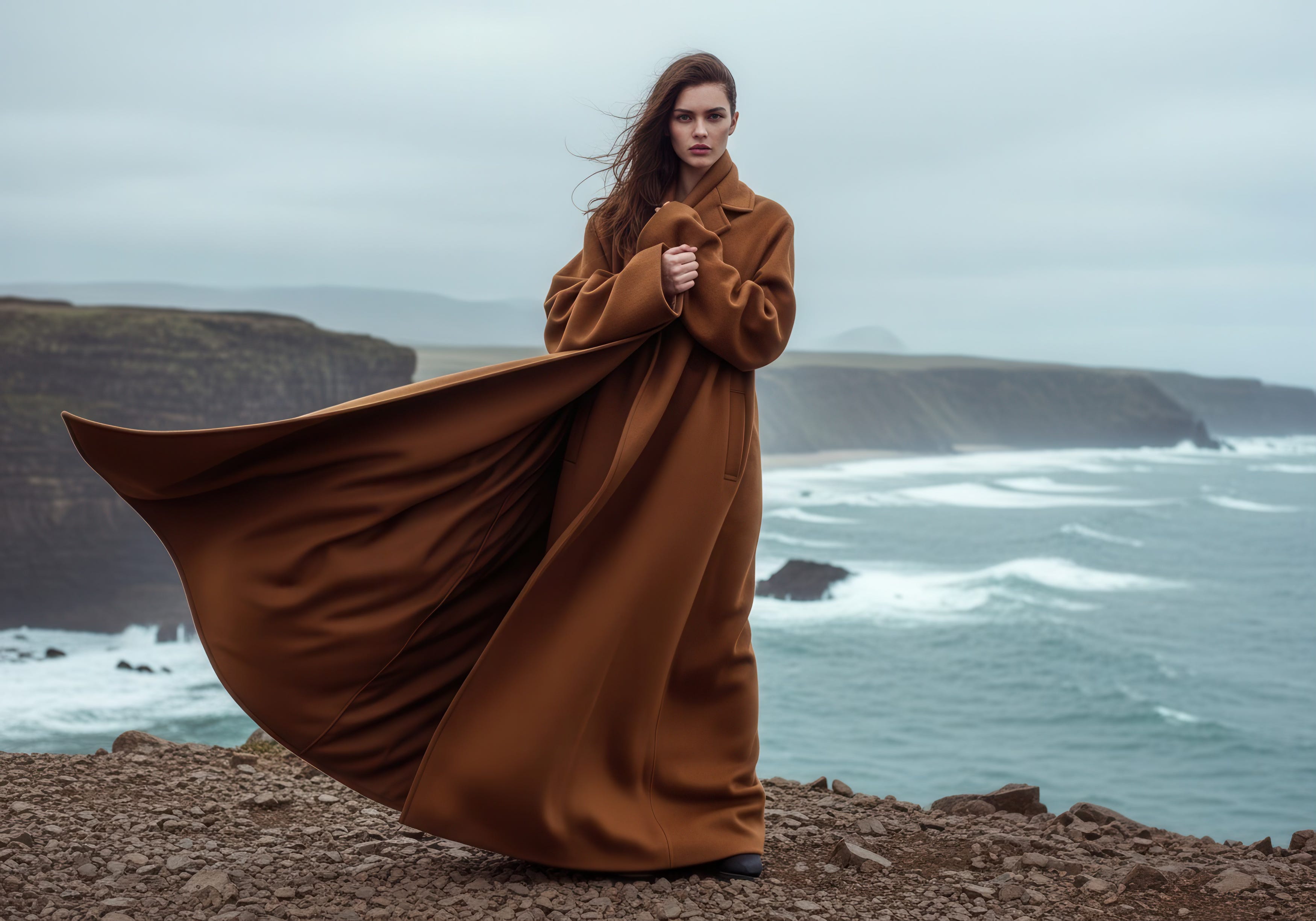
Colour palettes softened into deeper neutrals — charcoal, midnight blue, burgundy, dark olive, chocolate brown. Silhouettes became slightly heavier and more structured. A coat held its shape with quiet authority. A jacket followed the natural line of the body rather than exaggerating it.
Nothing about these garments felt dramatic.
And yet the overall effect was unmistakable.
Fashion journalists eventually began referring to this aesthetic as quiet luxury. The phrase spread quickly across media and social platforms, becoming shorthand for a restrained form of elegance associated with brands such as The Row, Loro Piana, and Bottega Veneta.
But the phrase itself misses the deeper story.
Because the shift is not really about quietness.
It is about confidence.
When someone feels secure in their position, they rarely need their environment to explain who they are. Their clothing does not need to declare its price. Their home does not need to demonstrate its value. Their routines do not need to perform success for an audience.
Instead, the signal moves somewhere else.
Luxury stops trying to be visible.
And begins to become recognisable.
This difference between visibility and recognisability explains far more about modern status than most people realise.
Visibility is obvious. It works by announcing itself loudly to everyone present.
Recognisability works differently. It requires knowledge.
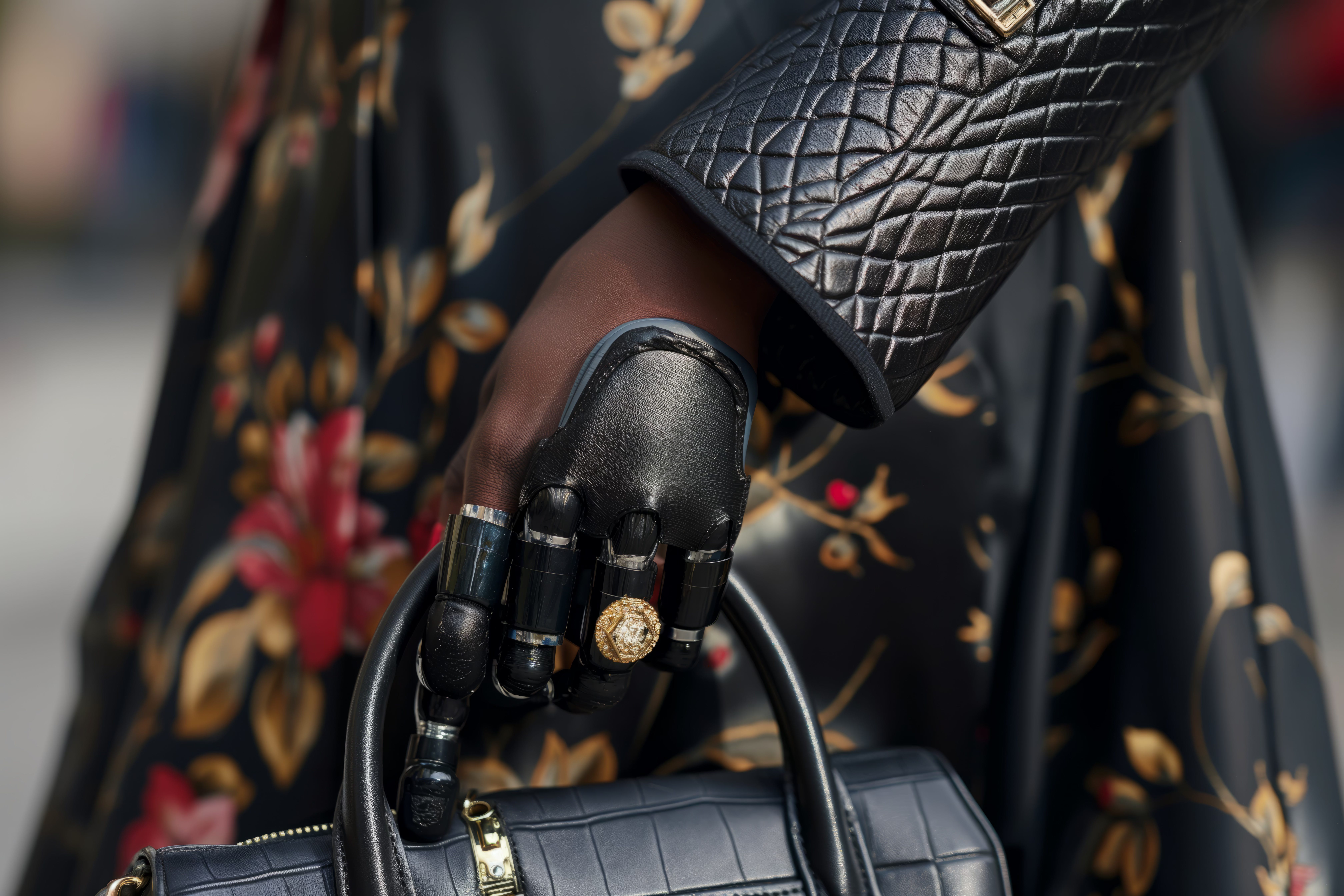
A coat made from exceptional wool might appear simple to most observers. But someone familiar with tailoring notices the drape immediately. A handbag crafted from full-grain leather may look understated, yet the stitching, the weight of the material, and the way it holds its structure reveal its quality instantly to the trained eye.
The signal still exists. It simply speaks a language that fewer people understand. And that is precisely what gives it power.
Once you begin noticing this shift, it becomes impossible to ignore.
Interior design has followed the same instinct. The most admired homes today rarely look extravagant. Instead they feel composed, calm, and almost contemplative. Natural materials replace decoration. Stone, wood, linen, and wool create depth without spectacle. Rooms appear intentional rather than decorative.
Beauty culture reflects the same evolution.
Not long ago the dominant aesthetic involved extreme precision. Faces were sculpted sharply with contouring techniques designed to reshape bone structure. Highlighter reflected light deliberately. Skin appeared almost glass-like, flawless to the point of looking unreal.
Today the direction is shifting.
Makeup artists allow freckles to remain visible. Foundation becomes lighter. Cream textures soften the surface of the face. Skin looks believable rather than perfected.
The result is not less beauty.
It is beauty that feels human.
And believability carries a different kind of authority.
The same pattern can be observed in how influence behaves.
For years social media rewarded constant visibility. Public figures shared daily routines, opinions, celebrations, even private moments of vulnerability. Presence became continuous.
But continuous visibility produces an unexpected consequence.
When someone appears everywhere, their presence gradually loses its weight.
Mystery disappears. Familiarity replaces intrigue. Influence becomes less persuasive precisely because it is so widely available.
The most compelling figures today often move differently. They appear selectively. They speak carefully. They allow parts of their lives to remain private.
Their influence becomes quieter.
And paradoxically, more powerful.