


There is a sentence that appears in almost every skincare piece published in the last decade: drink more water. It arrives at the end of regimens, as a closing recommendation, as the affordable supplement to whatever product has just been discussed. It is not wrong, exactly. Adequate hydration matters for overall physiological function. But as skincare advice, it reflects a fundamental misunderstanding of how skin retains moisture, and that misunderstanding has directed billions of dollars of consumer spending toward the wrong solutions for the wrong problems.
Skin hydration is not a function of how much water you consume. It is a function of how effectively your skin barrier retains the water already present in the tissue. The stratum corneum, the outermost layer of the skin operates as a selective membrane: it allows controlled water movement while blocking environmental irritants, microorganisms, and the mechanical stresses the skin encounters daily. When that membrane is intact, the skin is much better able to hold moisture even when external conditions are imperfect. When it is compromised, no amount of water intake or topical hydration will produce lasting results, because the water is lost as quickly as it is applied.
This distinction between hydration and barrier integrity is one of the most practically significant in all of skincare, and one of the most consistently absent from consumer guidance. The beauty industry has a commercial incentive to sell hydration products. It has a substantially smaller incentive to explain that most hydration products will not work if the barrier they are being applied to is compromised.

The barrier is composed of three elements that work in concert: the corneocytes flattened, protein-filled cells that form the structural matrix held together by lipids arranged in a specific lamellar structure, and supported by a group of molecules called Natural Moisturising Factors that regulate the water content of those cells. Ceramides are the most critical of the lipid components: they account for approximately 50% of the skin’s lipid content and are the primary determinant of barrier permeability. When ceramide levels are depleted by over-cleansing, by harsh exfoliation, by retinoid use without adequate support, by environmental exposure, or simply by the reduction in endogenous ceramide production that accompanies ageing the lamellar structure begins to fail. The membrane becomes permeable. Water escapes. The skin appears dry, tight, sensitised, and responsive to products it previously tolerated.
This is not a hydration problem. It is a structural problem. And it requires a structural solution.
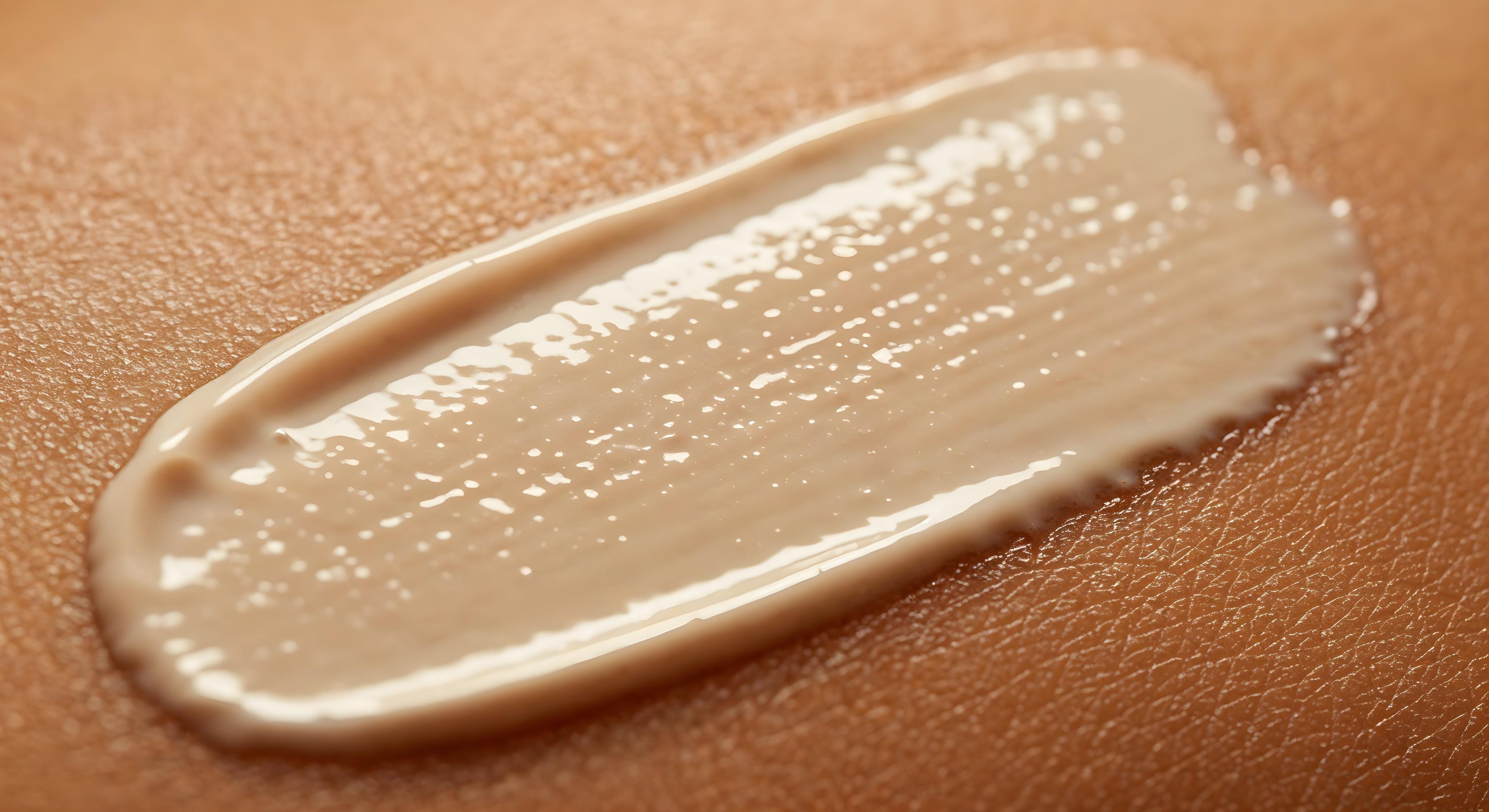
The most confusing thing about a compromised barrier is that it often disguises itself as several different problems at once. One week it looks like dehydration. The next it looks like sensitivity. Then congestion. Then dullness. Then sudden redness from a product that used to be perfectly tolerable. The consumer response is predictable: add something hydrating, then something calming, then something brightening, then something exfoliating because the texture now looks uneven. The routine expands precisely when it should be contracting.
This is how barrier damage becomes a spending pattern.
The skin begins asking for less, but the market teaches the customer to answer with more. More serum. More mist. More acid. More masks. More “repair” products layered over the same behaviours that created the problem. In reality, a compromised barrier is often not asking for sophistication. It is asking for interruption: stop the active ingredients, stop the aggressive cleansing, stop chasing glow through irritation, stop treating tightness as cleanliness and peeling as progress.
There are signs. Skin that feels tight ten minutes after moisturising. Skin that stings when you apply products that should not sting. Foundation that suddenly clings to patches. A face that looks shiny and dry at the same time. Redness that appears faster than usual. The sensation that everything is “too much,” even products previously tolerated. These are not always signs that your skin has become difficult. They may be signs that your routine has become too demanding for the structure underneath it.
This is the point where skincare becomes more intelligent when it becomes less interesting. The correct routine may not be the one that photographs well on a bathroom shelf. It may be the one that leaves the barrier alone long enough to rebuild itself.
The most effective interventions for a compromised barrier are among the least glamorous in skincare. Ceramide-based moisturisers specifically those delivering ceramides alongside other barrier-supporting ingredients are among the most directly corrective. CeraVe’s original Moisturising Cream formulation, developed with dermatologists and accepted by the National Eczema Association, remains one of the most accessible examples of the barrier-repair logic: ceramides, occlusion, and consistency over novelty. It is not the most expensive product in the category, which is exactly why it matters in a conversation too often confused by price.
Humectants — hyaluronic acid, glycerin, urea draw water into the outer layers of the skin and can be useful when paired with the right support. But hydration is not only about attracting water. It is about retaining it. On a compromised barrier, a humectant used without sufficient emollient or occlusive support may feel good briefly, then fail to produce lasting comfort. The combination of water-binding ingredients with barrier-supporting lipids and a surface seal is what produces more durable hydration.
The broader dermatology literature on barrier repair points in the same direction: lipid-rich moisturisers, particularly those containing ceramides and other barrier-supporting components, can reduce transepidermal water loss and improve barrier function when used consistently. The research also supports a finding that most consumer guidance has not incorporated: barrier repair is a sequential process. The barrier cannot be restored while active damage is continuing. Retinoids, AHAs, BHAs, and physical exfoliation all effective interventions for their intended purposes must be suspended during a repair protocol, because they continue to compromise the very structure being rebuilt.
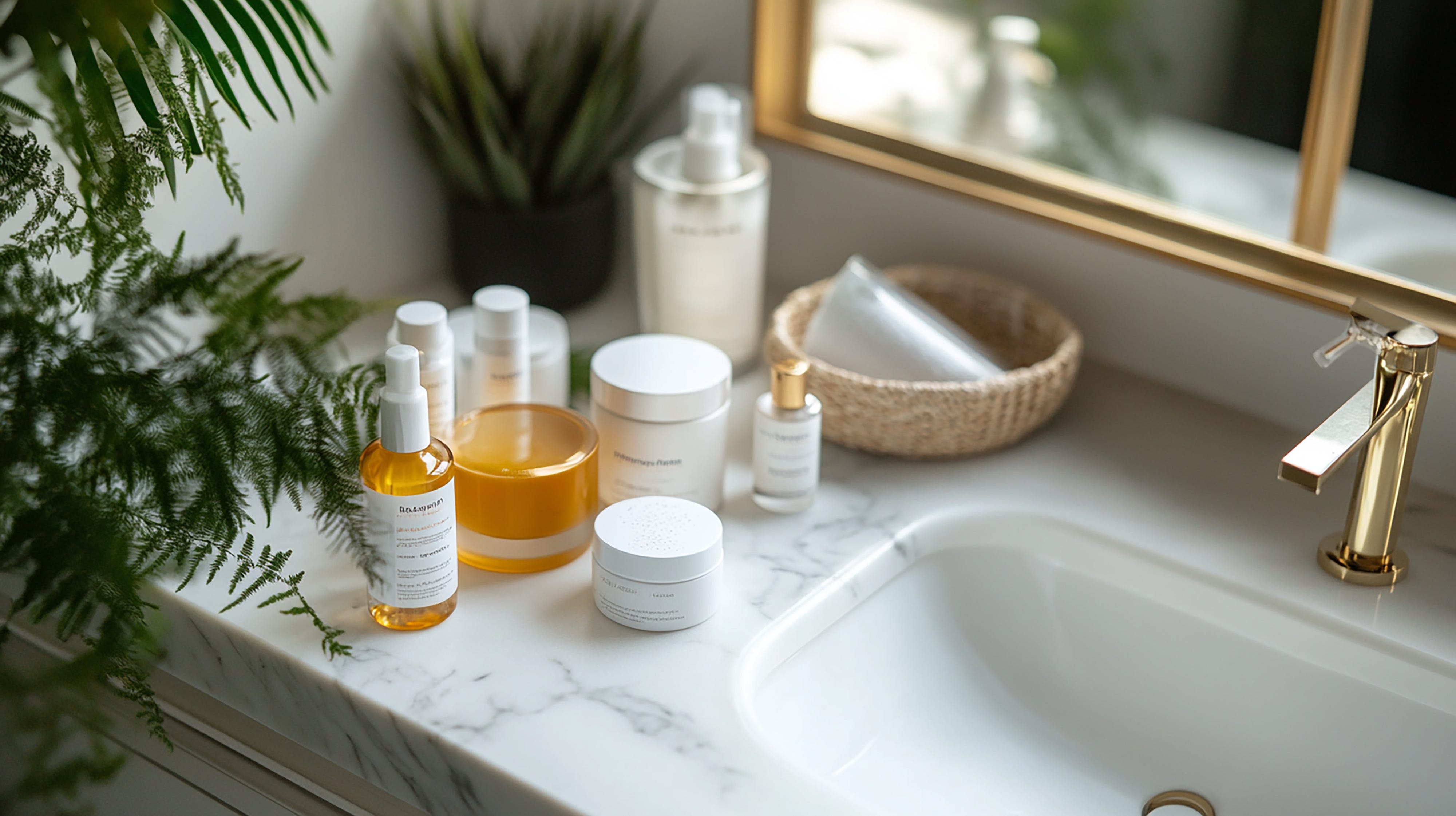
The practical protocol for a compromised barrier:
Suspend all active ingredients — retinoids, exfoliating acids, vitamin C for a minimum of four weeks. This is the intervention most people resist and most need. The inclination to continue the products understood as effective is precisely the inclination that prevents recovery.
Cleanse once daily only, in the evening, with a low-pH cream or micellar cleanser. Morning rinsing with water only. The damage done by twice-daily cleansing to a compromised barrier is disproportionate to the benefit.
Apply a ceramide-dominant moisturiser twice daily, pressed into damp skin rather than dry, immediately after cleansing. The application timing matters: the window between washing and moisturising is the period of highest transepidermal water loss, and allowing it to extend reduces the effectiveness of the subsequent application.
A broad-spectrum sunscreen every morning — SPF30 or higher, and SPF50 in high-UV climates. This is not only a brightening or anti-ageing recommendation. It is part of barrier maintenance, because UV exposure contributes to inflammation, dryness, and long-term structural damage in skin.
The question that the skincare industry has no commercial incentive to answer is this: if you stopped buying everything except a ceramide moisturiser and a proper sunscreen, and used both of them correctly for twelve weeks, what would your skin look like?
The research suggests: considerably better than it looks right now.
That is not an instruction to stop buying skincare. It is an instruction to understand what is doing the work and to start there.